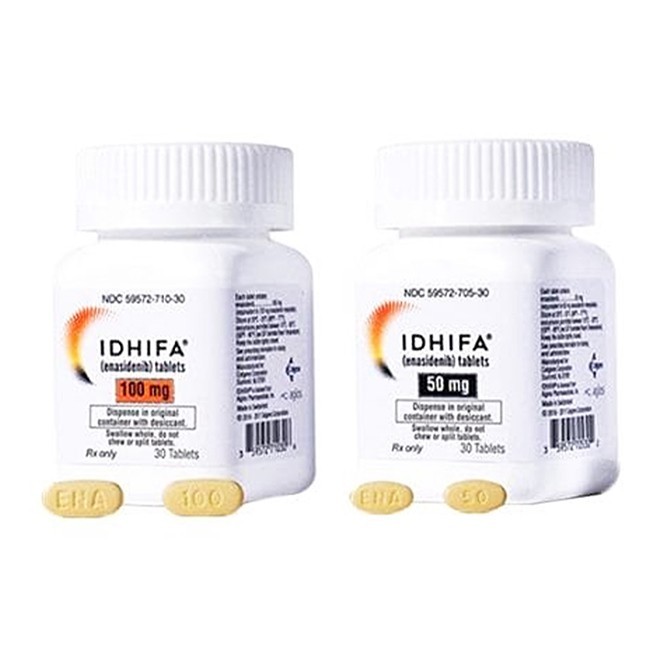


Enasidenib is an isocitrate dehydrogenase-2 (IDH2) inhibitor that provides a targeted treatment option for patients with relapsed or refractory acute myeloid leukemia (AML).
What are the Precautions for Taking Enasidenib?
Confirmation of Indication via Genetic Testing
Enasidenib is only indicated for adult AML patients with a confirmed IDH2 mutation detected by an FDA-approved testing method.
Genetic mutation analysis using blood or bone marrow samples must be performed before initiating treatment to ensure precise therapy.
Differentiation Syndrome
This is the most serious potential risk of enasidenib, with an incidence rate of 14%, which can be life-threatening.
Typical symptoms include fever, dyspnea, hypoxemia, rapid weight gain, peripheral edema, bone pain, or lymphadenopathy.
Upon suspicion, immediately initiate high-dose corticosteroid therapy (e.g., dexamethasone) and conduct hemodynamic monitoring.
If severe pulmonary symptoms requiring mechanical ventilation or persistent renal impairment occur, discontinue the medication until symptoms resolve.
Embryofetal Toxicity
Animal studies have shown that enasidenib can cause embryonic death and developmental abnormalities.
Patients of reproductive potential (including males) should use effective non-hormonal contraceptive methods during treatment and for 2 months after the last dose.
Non-Infectious Leukocytosis
The medication may induce bone marrow proliferation, leading to a significant elevation in white blood cell (WBC) count.
If the WBC count exceeds 30 × 10⁹/L, follow the physician’s advice to use hydroxyurea for control; discontinue enasidenib if necessary.
Monitoring During Enasidenib Administration
Dynamic Tracking of Laboratory Indicators
Complete Blood Count (CBC) and Biochemistry: Monitor at least every 2 weeks before treatment and within the first 3 months, with special attention to changes in WBC count, bilirubin, calcium-phosphorus levels, and uric acid.
Abnormal Bilirubin Metabolism
Approximately 37% of patients may experience elevated bilirubin (≥ 2 times the upper limit of normal), mostly caused by the drug’s inhibition of the UGT1A1 enzyme, and typically not accompanied by liver injury.
If the elevation persists for more than 2 weeks, reduce the dosage to 50 mg once daily.
Prevention of Tumor Lysis Syndrome
Ensure adequate hydration during the initial phase of treatment and monitor renal function, electrolytes, and uric acid levels.
Immediately intervene if diagnosed; discontinue the medication in severe cases.
Management of Gastrointestinal Reactions
More than 50% of patients may experience nausea, vomiting, diarrhea, or decreased appetite.
Symptomatic supportive care is recommended; adjust diet or use antiemetic medications if necessary.