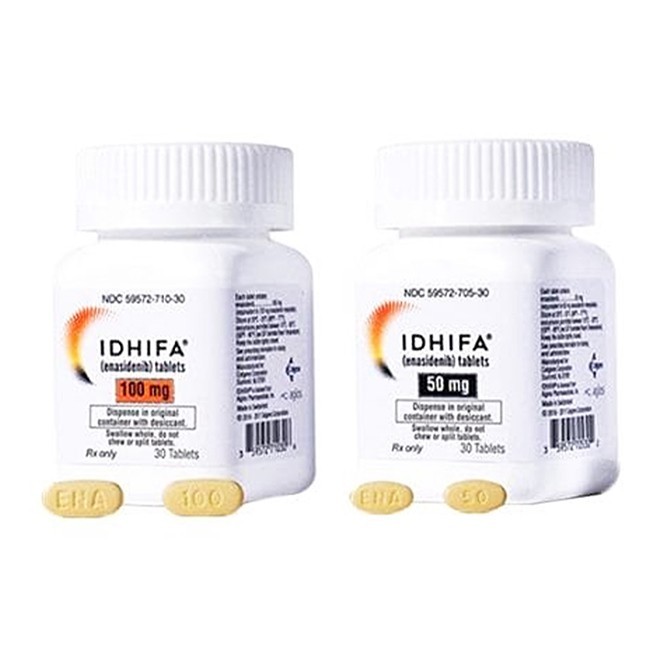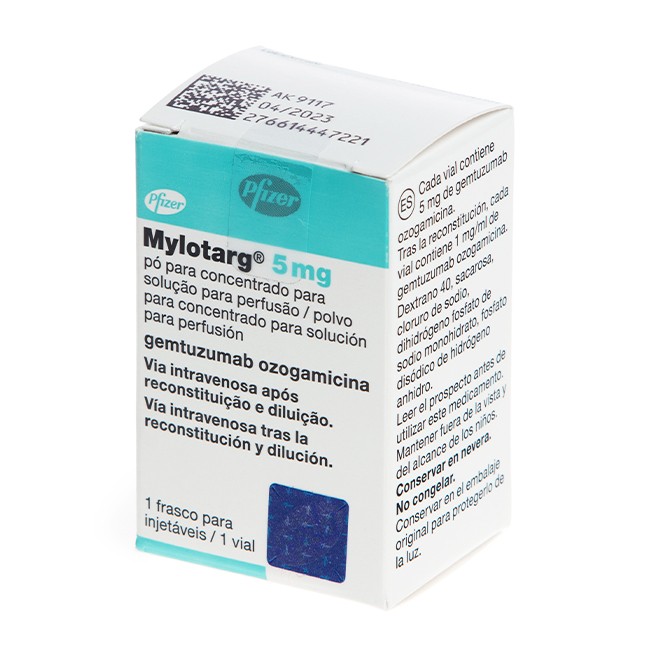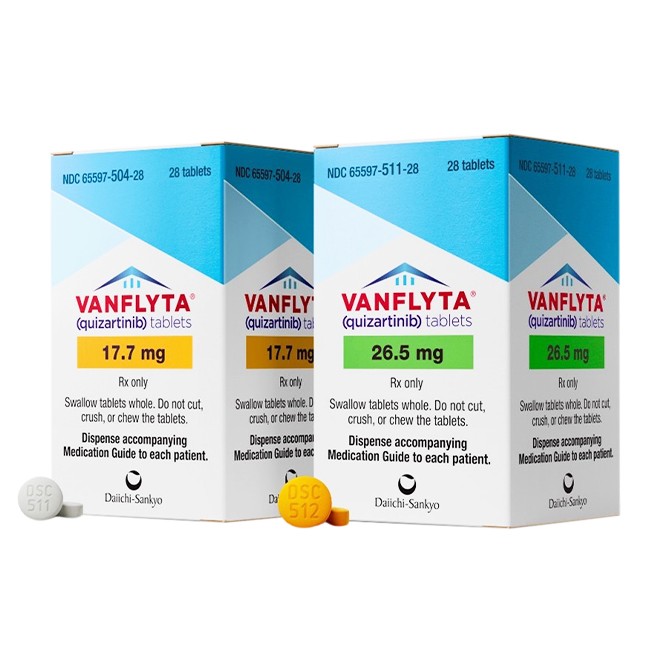


Enasidenib is an oral targeted therapy drug for adult patients with relapsed or refractory acute myeloid leukemia (AML) harboring an isocitrate dehydrogenase 2 (IDH2) mutation. It was first approved for marketing in the United States in 2017. Enasidenib effectively inhibits the activity of the mutant IDH2 enzyme, thereby inducing differentiation of leukemia cells and reducing tumor burden.
What are the Precautions for Enasidenib Use?
Differentiation Syndrome
(1) Differentiation syndrome is a potentially severe adverse reaction that may occur during Enasidenib treatment, typically happening within 10 days to 5 months after initiation of therapy.
(2) Clinical manifestations may include fever, dyspnea, hypoxia, pulmonary infiltrates, pleural or pericardial effusion, rapid weight gain, peripheral edema, lymphadenopathy, bone pain, and hepatic, renal, or multi-organ dysfunction.
(3) It can be life-threatening if not managed promptly.
(4) If differentiation syndrome is suspected, systemic corticosteroid therapy (e.g., dexamethasone) should be initiated immediately, and hemodynamic monitoring should be conducted until symptoms resolve.
(5) Treatment should be interrupted in cases of severe pulmonary symptoms requiring intubation or ventilator support and/or persistent renal dysfunction for more than 48 hours. Dosing can be resumed after symptoms improve to ≤ Grade 2.
Embryo-Fetal Toxicity
(1) Animal studies have shown that Enasidenib has embryo-fetal toxicity.
(2) Women of childbearing potential must use effective non-hormonal contraception during treatment and for at least 2 months after the last dose.
(3) Men with partners of childbearing potential should use effective contraception during treatment and for at least 2 months after the last dose.
(4) A pregnancy test should be performed in women of childbearing potential prior to initiating therapy.
Drug Interactions
(1) Concomitant use should be avoided: Unless otherwise recommended in the prescribing information, co-administration with sensitive substrates of CYP1A2, CYP2C19, CYP3A, and OATP1B1/OATP1B3/BCRP should be avoided to prevent serious adverse reactions.
(2) Hormonal contraceptives: Enasidenib may reduce the plasma concentration of hormonal contraceptives, potentially leading to contraceptive failure. It is recommended to use effective non-hormonal contraception during treatment.
(3) Caffeine: Enasidenib may increase plasma concentrations of caffeine. Patients sensitive to caffeine should be cautious and consider controlling their intake of coffee, tea, etc.
Enasidenib Treatment Monitoring
Pre-treatment and Periodic Laboratory Tests
(1) Complete Blood Count (CBC): Monitor white blood cell counts. Be alert for non-infectious leukocytosis (>30 × 10⁹/L) and manage with hydroxyurea per standard practice if necessary.
(2) Liver Function: Total bilirubin is a commonly elevated parameter. If total bilirubin remains elevated >3 times the upper limit of normal (ULN) without concurrent elevation of liver transaminases, consider dose reduction to 50 mg once daily. Most bilirubin elevations are related to drug-induced inhibition of UGT1A1 metabolism and do not indicate liver injury, but close observation is still required.
(3) Electrolytes and Renal Function: Monitor calcium, phosphorus, potassium levels, and renal function. Be vigilant for signs of tumor lysis syndrome.
Efficacy Assessment and Treatment Duration
(1) The recommended dose is 100 mg orally once daily until disease progression or unacceptable toxicity occurs.
(2) To adequately evaluate efficacy, it is recommended to continue treatment for at least 6 months.
(3) Clinical response may be delayed. During treatment, regularly assess bone marrow and peripheral blood counts. Monitor for achievement of complete remission (CR) or complete remission with partial hematologic recovery (CRh) and improvement in transfusion dependence.