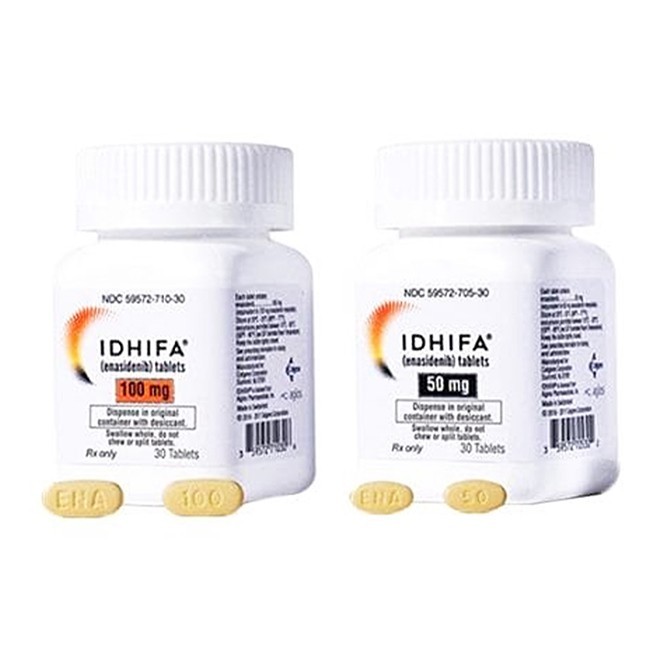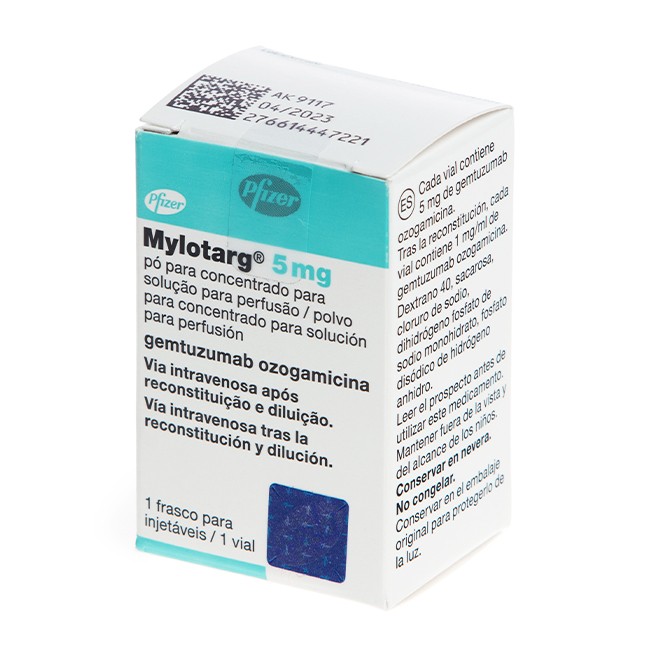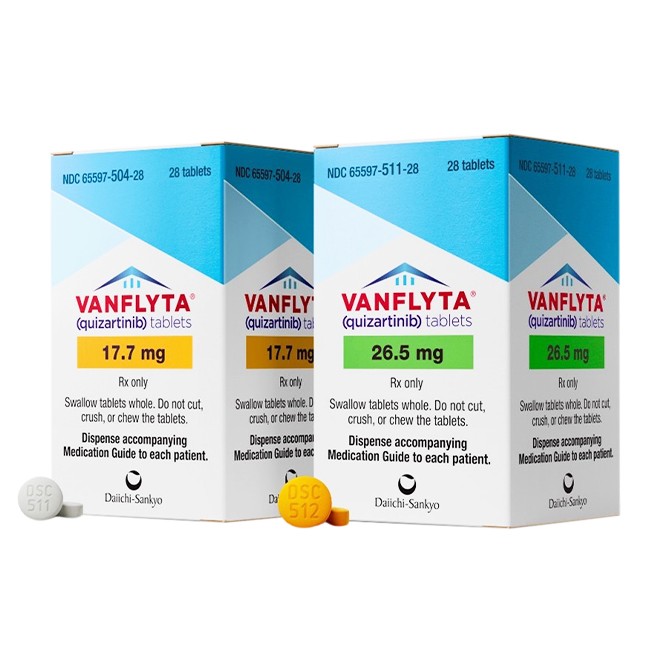


Enasidenib is an isocitrate dehydrogenase-2 (IDH2) inhibitor indicated for the treatment of adult patients with relapsed or refractory acute myeloid leukemia (AML) harboring an IDH2 mutation.
Enasidenib Dosage and Administration, Recommended Dose
Standard Dosing Regimen
(1) The recommended dosage of Enasidenib is 100 mg taken orally once daily. Treatment can continue until disease progression or unacceptable toxicity occurs.
(2) To ensure clinical efficacy, it is recommended to administer treatment continuously for at least 6 months, allowing sufficient time for a clinical response to develop.
Administration Details
(1) Method of Administration: Tablets must be swallowed whole. They should not be chewed, crushed, or split.
(2) Food Effect: Administration can occur without regard to meals. It can be taken with food or on an empty stomach.
(3) Missed Dose: If a dose is missed or vomiting occurs on the scheduled day, the missed dose should be taken as soon as possible on the same day. Resume the normal dosing schedule the following day. Do not take a double dose to make up for a missed dose.
Pre-Treatment Assessment and Monitoring
(1) Prior to initiating therapy, confirm the presence of an IDH2 mutation using an FDA-approved test (e.g., Abbott RealTime IDH2 assay).
(2) Complete blood counts and blood biochemistry tests should be performed, with particular attention to the risks of leukocytosis and tumor lysis syndrome.
(3) During the initial phase of treatment, monitor patients at least every 2 weeks for the first 3 months or more to manage any abnormal laboratory parameters promptly.
Enasidenib Dose Modifications
Differentiation Syndrome
(1) If suspected (e.g., fever, dyspnea, bone pain, etc.), initiate corticosteroid treatment and hemodynamic monitoring immediately.
(2) If severe pulmonary symptoms or renal abnormalities persist for more than 48 hours, interrupt Enasidenib. Resume treatment once symptoms improve to Grade 2 or lower.
Non-Infectious Leukocytosis
(1) If the white blood cell count exceeds 30 × 10⁹/L, administer hydroxyurea per standard protocol.
(2) If ineffective, interrupt Enasidenib. Resume at the 100 mg daily dose once the white blood cell count decreases to below 30 × 10⁹/L.
Management of Laboratory Abnormalities
(1) Elevated Bilirubin: May occur in 81% of patients, with 15% being Grade 3 or higher. Monitor for metabolic abnormalities due to UGT1A1 inhibition.
(2) Electrolyte Imbalances: Hypocalcemia occurs in 74% of patients and hypokalemia in 41%. Provide targeted supplementation and monitoring as needed.
Enasidenib Use in Specific Populations
Pregnant Women
(1) Enasidenib can cause embryo-fetal toxicity. Animal studies have shown embryo-fetal death and growth abnormalities at exposures lower than the clinical exposure.
(2) Verify pregnancy status prior to initiation. Effective non-hormonal contraception is required during treatment and for 2 months after the last dose.
Lactating Women
(1) No data are available on the presence of Enasidenib in human milk.
(2) However, due to potential risks, breastfeeding is not recommended during treatment and for 2 months after the last dose.