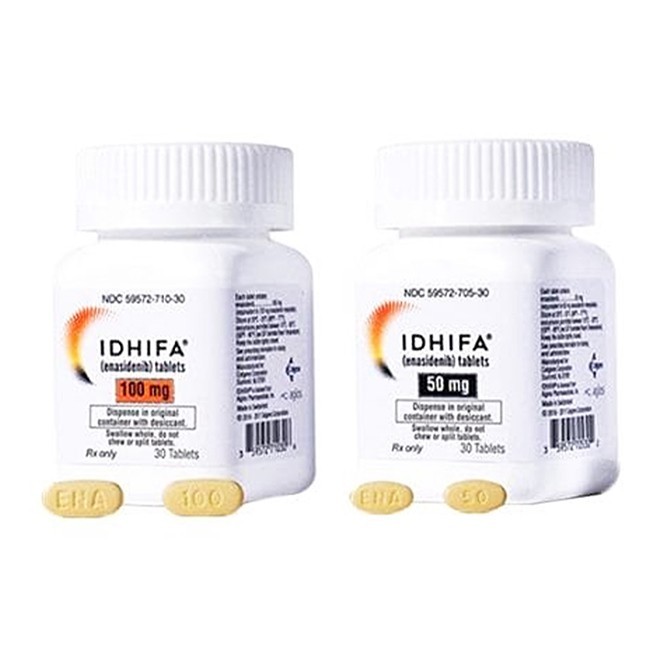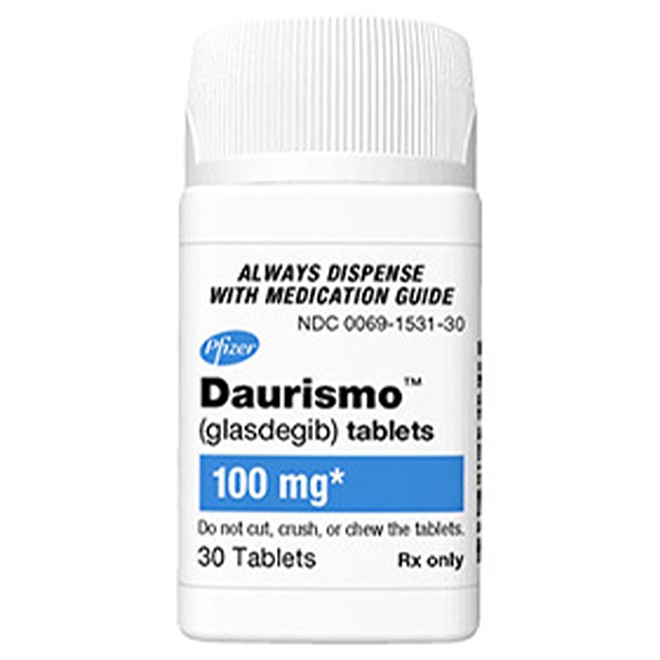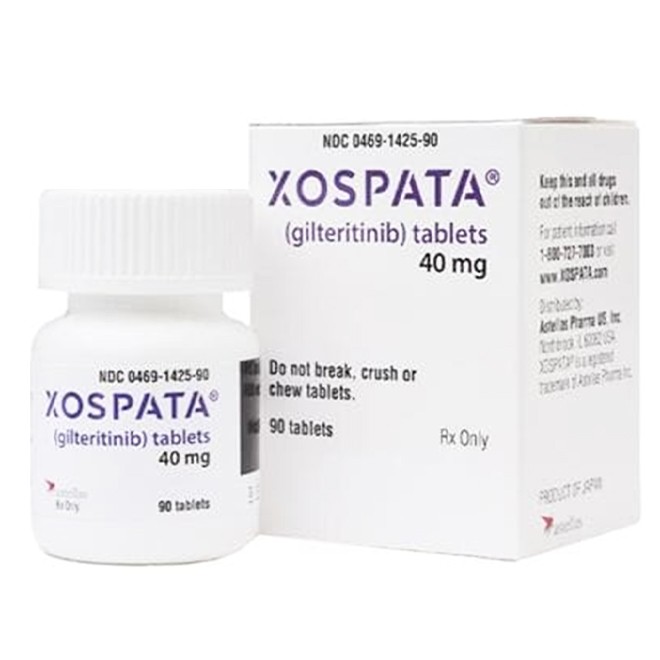


Enasidenib is an isocitrate dehydrogenase-2 (IDH2) inhibitor approved by the U.S. Food and Drug Administration (FDA) for the treatment of adult patients with relapsed or refractory acute myeloid leukemia (AML) harboring an IDH2 mutation. As a targeted therapy, its standardized use, dosage adjustments, and medication regimens for special populations are crucial to therapeutic efficacy.
Dosage and Administration of Enasidenib
Recommended Dosage
100 mg orally once daily, continued until disease progression or unacceptable toxicity occurs.
The medication should be taken at approximately the same time each day, either with food or on an empty stomach.
Tablets must be swallowed whole; do not chew, crush, or split them to ensure stable drug release.
In case of a missed dose, vomiting, or failure to take the medication on time, administer the missed dose as soon as possible on the same day and resume the regular dosing schedule the next day. Double doses on the same day are strictly prohibited.
To ensure adequate assessment of clinical efficacy, it is recommended that patients without disease progression or severe toxicity continue treatment for at least 6 months.
Pre-Treatment Preparation
Confirm the presence of the IDH2 mutation in patients using an FDA-approved detection method (e.g., Abbott RealTime IDH2 Assay).
Conduct comprehensive monitoring of blood cell counts and blood biochemical indicators, with special attention to the risks of leukocytosis and tumor lysis syndrome.
During the initial phase of treatment, re-evaluations should be performed at least every two weeks for more than 3 months to enable timely intervention for abnormalities.
For patients with significantly elevated white blood cell (WBC) counts (WBC > 30 × 10⁹/L) or high risk of tumor lysis syndrome, pre-emptive measures are required, including adequate hydration and consideration of uric acid-lowering medications.
Dosage Adjustments for Enasidenib
Differentiation Syndrome
Typical symptoms include fever, dyspnea, pulmonary infiltrates, pleural or pericardial effusions, rapid weight gain or peripheral edema, lymphadenopathy, bone pain, and abnormalities in liver or kidney function.
Upon suspicion of this syndrome, immediately initiate systemic corticosteroid therapy (e.g., dexamethasone 10 mg every 12 hours) and implement hemodynamic monitoring until symptoms are fully resolved.
If patients develop severe pulmonary symptoms requiring endotracheal intubation or mechanical ventilation, and/or renal dysfunction persists for more than 48 hours, discontinue enasidenib. Resume medication only after symptoms improve to Grade 2 or lower.
Elevated Bilirubin
When bilirubin persistently exceeds 3 times the upper limit of normal (ULN) without concurrent elevation of transaminases, reduce the dosage to 50 mg once daily. The original dosage may be resumed after bilirubin returns to within 2 times the ULN.
It is important to note that this elevation in bilirubin is typically unrelated to liver injury.
Use in Special Populations
Pregnant Women
The use of enasidenib must be strictly avoided during pregnancy.
Females of reproductive potential must confirm non-pregnancy before initiating treatment and use effective non-hormonal contraceptive methods during treatment and for 2 months after the last dose (as enasidenib may reduce the efficacy of hormonal contraceptives).
Male patients with female partners of reproductive potential should also adopt effective contraceptive strategies during the same period.
Lactating Women
Discontinue breastfeeding during treatment and for 2 months after discontinuing enasidenib.
There are no available data on whether the drug is excreted in human milk; however, due to potential risks, breastfeeding is not recommended during this period.