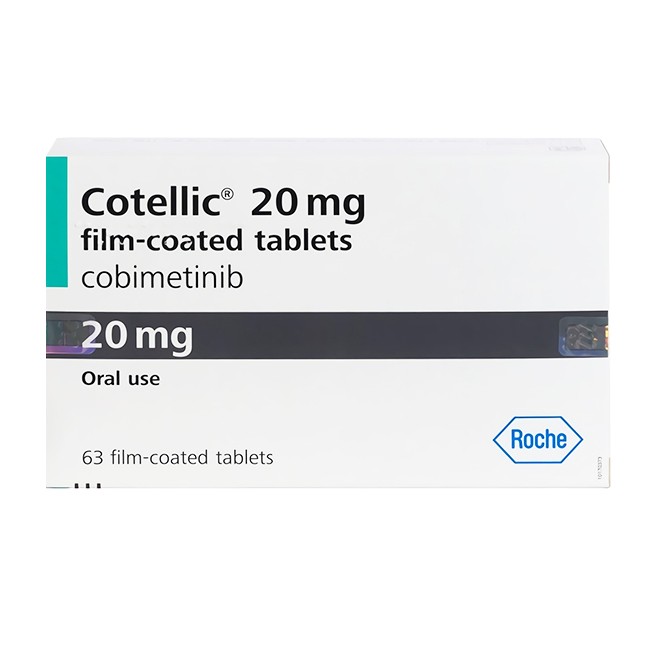


Cobimetinib (Cotellic) is an important kinase inhibitor that plays a key role in the treatment of melanoma and histiocytic neoplasms.
What Are the Side Effects of Cobimetinib (Cotellic)?
Typical Reactions in Melanoma Treatment
Diarrhea (60%).
Photosensitivity reaction (46%).
Nausea (41%).
Fever (28%).
Vomiting (24%).
Special Manifestations in Histiocytic Neoplasm Treatment
When used as monotherapy for histiocytic neoplasms, the spectrum of side effects differs significantly.
The most common adverse reactions include acneiform dermatitis (65%), diarrhea (62%), infection (62%), fatigue (42%), nausea (46%), and edema (42%).
Characteristics of Abnormal Laboratory Findings
In melanoma patients receiving cobimetinib, the most common Grade 3–4 abnormal laboratory findings mainly include elevated gamma-glutamyl transferase (GGT), elevated creatine phosphokinase (CPK), hypophosphatemia, elevated alanine aminotransferase (ALT), and lymphopenia. Regular monitoring of relevant indicators is required.
Warnings for Severe Side Effects of Cobimetinib (Cotellic)
Risk of New Primary Malignancies
Cobimetinib may induce new primary cutaneous and non-cutaneous malignancies.
In the combination therapy group, the incidence of cutaneous squamous cell carcinoma or keratoacanthoma was 6%, basal cell carcinoma was 4.5%, and second primary melanoma was 0.8%.
Preventive measures: Conduct a dermatological evaluation before starting treatment.
Perform skin examinations every 2 months during treatment.
Continue monitoring for 6 months after discontinuing the drug.
Risk of Bleeding Events
Cobimetinib may cause bleeding events, including major bleeding.
In the melanoma combination therapy group, the incidence of Grade 3–4 bleeding was 1.2%, and the incidence of bleeding of all grades was as high as 13%, among which the incidence of cerebral hemorrhage was 0.8%.
Risk of Cardiomyopathy
The risk of cardiomyopathy increases significantly when cobimetinib is used in combination with vemurafenib. 26% of patients in the combination therapy group experienced Grade 2–3 left ventricular ejection fraction (LVEF) decrease.
Monitoring requirements: Assess cardiac function before starting treatment.
Recheck 1 month after starting treatment.
Conduct assessments every 3 months thereafter.
Precautions for Using Cobimetinib (Cotellic)
Dosage Adjustment Specifications
First dose reduction: 40 mg taken orally once daily.
Second dose reduction: 20 mg taken orally once daily.
If the 20 mg once-daily oral dose is not tolerated, permanent discontinuation of the drug is required.
Liver Function Monitoring Requirements
Conduct liver function tests before starting treatment.
Perform regular monitoring monthly during treatment.
Increase the frequency of tests if necessary.
For the first occurrence of Grade 4 abnormal liver function laboratory findings, cobimetinib should be suspended for a maximum of 4 weeks; if improvement occurs, resume treatment at the next lower dose level.