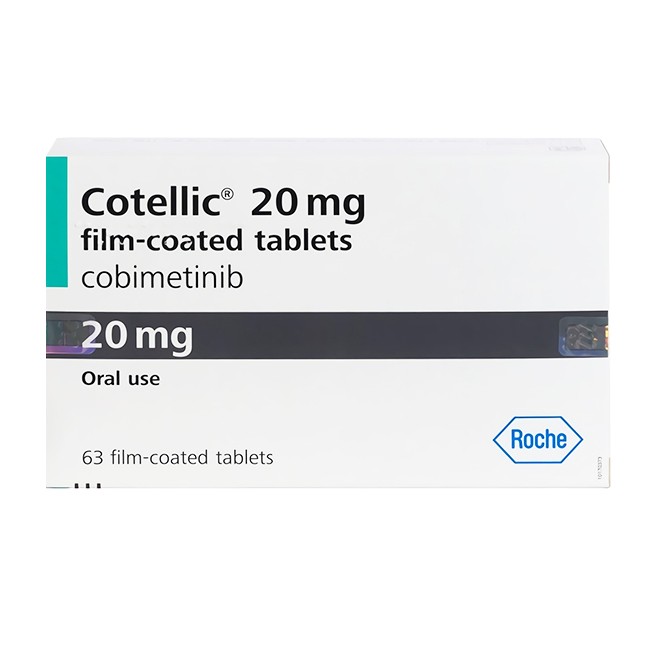


Cobimetinib (Cotellic) is a MEK inhibitor that demonstrates significant value in the treatment of BRAF V600 mutation-positive melanoma and histiocytic neoplasms. To ensure therapeutic benefits and minimize drug-related risks, both physicians and patients must establish a comprehensive medication management and clinical monitoring system.
Precautions for Using Cobimetinib (Cotellic)
Risk of New Primary Malignancies
The combination of cobimetinib and vemurafenib can significantly increase the risk of cutaneous and non-cutaneous malignancies.
A dermatological evaluation must be performed before initiating treatment.
Skin re-evaluations should be conducted every 2 months during treatment.
Continuous skin monitoring is required for 6 months after discontinuing treatment.
Prevention and Control of Severe Bleeding Events
Cobimetinib may cause major bleeding events, including fatal intracranial hemorrhage.
Seek immediate medical attention if melena, hematuria, hemoptysis, or other bleeding symptoms occur.
Suspend medication for Grade 3 bleeding; permanently discontinue medication for Grade 4 bleeding.
Occurrence and Monitoring of Cardiomyopathy
Cobimetinib treatment may lead to a decrease in left ventricular ejection fraction (LVEF).
Assess cardiac function at baseline, 1 month after initiating treatment, and every 3 months thereafter.
Permanently discontinue medication if symptomatic cardiac dysfunction occurs.
Management of Ocular Toxicity
The incidence of symptomatic and asymptomatic serous retinopathy is 26%.
Retinal vein occlusion, although rare, requires immediate and permanent discontinuation of medication.
Medication Monitoring for Cobimetinib (Cotellic)
Monitoring of Underlying Disease Status
Confirmation via genetic testing: The presence of BRAF V600E or V600K mutations must be verified using an FDA-approved detection method before treatment.
Assessment of tumor burden: Conduct regular imaging studies.
Monitoring of Hematological and Biochemical Indicators
Mandatory laboratory monitoring panel:
Liver function tests: Alanine Aminotransferase (ALT), Aspartate Aminotransferase (AST), Alkaline Phosphatase (ALP), Gamma-Glutamyl Transferase (GGT), Bilirubin.
Monitoring frequency:
Baseline testing before treatment.
Monthly rechecks during treatment.
Increase testing frequency if clinical indicators are abnormal.
Dynamic Tracking of Cardiac Function
Echocardiogram/MUGA scan: Perform at baseline, Week 5, Week 17, Week 29, Week 43, and every 4–6 months thereafter.
Monitoring of Muscle Injury Markers
Measure baseline levels.
Conduct regular rechecks (at least monthly).
Perform immediate testing if muscle symptoms occur.