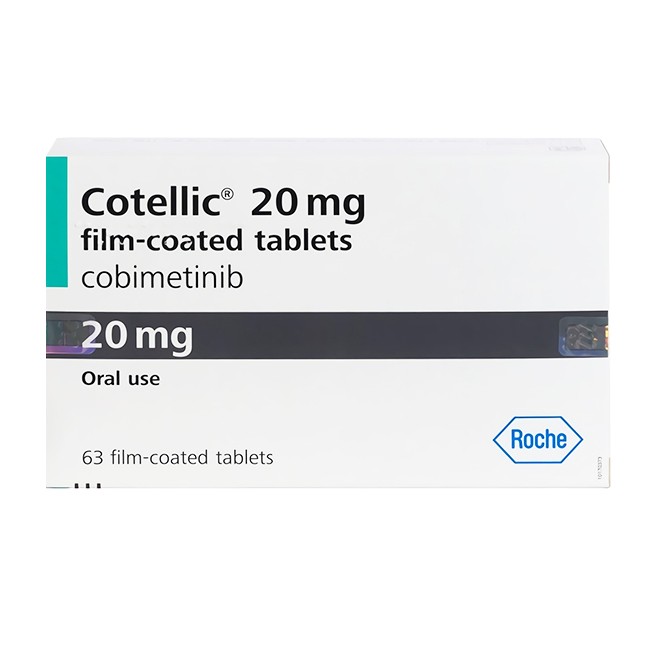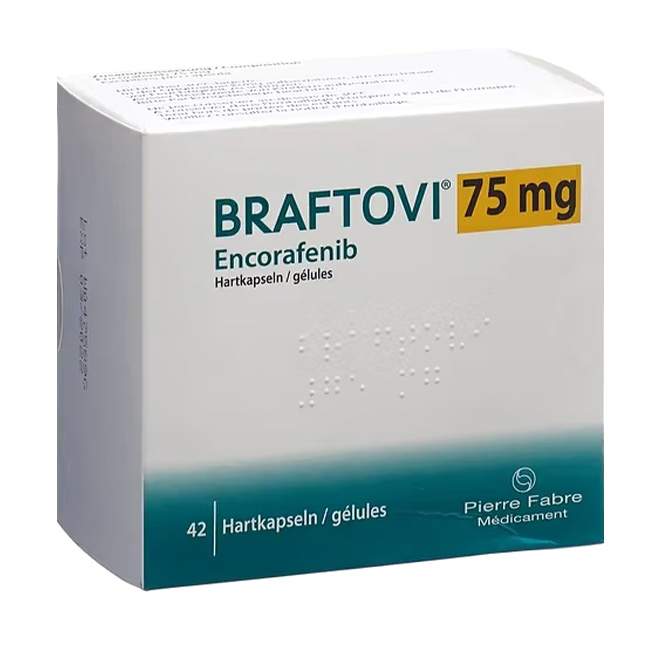


Cobimetinib (Cotellic) is a kinase inhibitor primarily used in combination with other medications for the treatment of specific types of cancer.
How to Use Cobimetinib (Cotellic)
Standard Dosing Regimen for Adults
The recommended dosage of cobimetinib is 60 mg (three 20 mg tablets) taken orally once daily, administered for the first 21 days of each 28-day cycle, until disease progression or unacceptable toxicity occurs.
Administration time: Cobimetinib can be taken with or without food, offering flexibility to facilitate patient adherence to treatment.
Administration Precautions
If a dose of cobimetinib is missed or vomiting occurs after administration, resume the next scheduled dose. Do not take an additional dose to make up for the missed one.
For patients with melanoma, the presence of BRAF V600E or V600K mutations in the tumor specimen must be confirmed before initiating combination treatment with cobimetinib and vemurafenib.
Dosage Adjustment of Cobimetinib (Cotellic)
Dosage Adjustment Based on Adverse Reactions
When patients experience specific adverse reactions, dosage adjustment should be made according to the severity.
First dose reduction: 40 mg taken orally once daily.
Second dose reduction: 20 mg taken orally once daily.
If the 20 mg once-daily dosage is not tolerated, permanently discontinue cobimetinib.
Specific Adjustment Rules
New primary malignancies: No dosage adjustment is required.
Bleeding:For Grade 3 bleeding: Suspend medication for up to 4 weeks; upon improvement, reduce to the next lower dosage level.For Grade 4 bleeding: Permanently discontinue medication.
Cardiomyopathy:If asymptomatic left ventricular ejection fraction (LVEF) decreases by >10% from baseline and falls below the institutional lower limit of normal, suspend medication for 2 weeks and repeat LVEF testing.
Severe skin reactions: Suspend or reduce dosage for Grade 2 (intolerable), Grade 3, or Grade 4 reactions.
Medication for Special Populations of Cobimetinib (Cotellic)
Patients with Hepatic Impairment
No adjustment to the starting dosage of cobimetinib is required for patients with mild (Child-Pugh Class A), moderate (Child-Pugh Class B), or severe (Child-Pugh Class C) hepatic impairment.
Patients with Renal Impairment
Based on population pharmacokinetic analysis results, no dosage adjustment is recommended for patients with mild to moderate renal impairment.
The recommended dosage for patients with severe renal impairment has not been determined.
Pregnant and Lactating Women
Pregnant women: Based on its mechanism of action and animal reproductive studies, cobimetinib may cause fetal harm when administered to pregnant women.
Pregnant women should be informed of the potential risks to the fetus. Women of reproductive potential should use effective contraceptive measures during cobimetinib treatment and for 2 weeks after the final dose.
Lactating women: Lactating women should not breastfeed during cobimetinib treatment and for 2 weeks after the final dose.
Geriatric Patients
Clinical studies of cobimetinib did not include a sufficient number of patients aged 65 years and older to determine whether their response differs from that of younger patients.