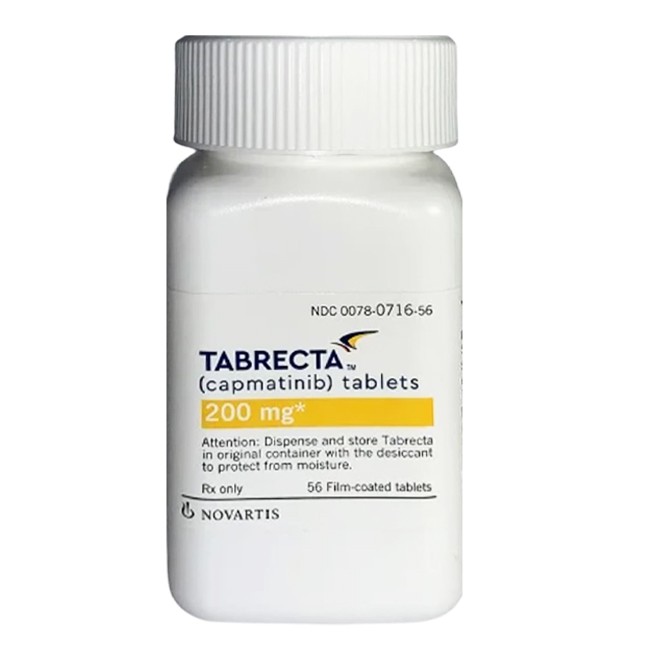


Capmatinib (Tabrecta) is a targeted therapy drug for MET gene mutations, demonstrating significant efficacy in the treatment of advanced malignancies such as non-small cell lung cancer.
What are the Precautions for Capmatinib (Tabrecta) Administration?
Identify Contraindicated Populations
Patients with known hypersensitivity to the active pharmaceutical ingredient or any excipients of the drug.
Patients with severe, uncontrolled hepatic or renal dysfunction.
Patients whose specific gene mutation status does not meet the indications.
Comprehensive Baseline Assessment
A complete medical history of the patient needs to be collected, with special attention paid to liver function status.
According to clinical research data, approximately 28% of patients experience liver function abnormalities during treatment; therefore, complete baseline liver function data must be established prior to treatment.
Comprehensive Physical Condition Assessment
Detailed records should be made of the patient’s concurrent diseases and concomitant medications.
Special assessment of cardiac function is required, including electrocardiogram (ECG) examination, to exclude patients with congenital long QT syndrome or significant electrolyte imbalances.
Medication Monitoring for Capmatinib (Tabrecta)
Dynamic Liver Function Monitoring
Liver enzyme levels should be closely monitored during treatment, and timely intervention should be implemented if liver function abnormalities are detected.
Studies have shown that 14% of patients experience cutaneous reactions such as pruritus and rash, indicating that the drug may exert a certain impact on hepatocytes.
Attention should be paid to the changing trends of indicators such as bilirubin, aspartate aminotransferase (AST), alanine aminotransferase (ALT), and alkaline phosphatase.
For patients with mild transaminase elevation prior to treatment that does not meet the contraindication criteria, the frequency of monitoring should be increased in the early stage of treatment.
Electrolyte and Renal Function Monitoring
Regular testing of electrolyte levels (including potassium, magnesium, sodium, and phosphate) should be performed; abnormalities should be corrected promptly to prevent the induction of more severe adverse reactions.
The most common issues mainly include abnormalities in laboratory indicators and changes in clinical signs.
Hematological Parameter Monitoring
Regular monitoring of blood cell counts is required during treatment, including hemoglobin, white blood cells, and platelets.
Clinical trial data show that 60% of patients experience decreased hemoglobin levels, and 46% develop leukopenia; these changes need to be identified and managed in a timely manner.
Cardiac Safety Monitoring
QT interval prolongation is an important potential risk of capmatinib, and regular ECG examinations must be conducted.
Studies have found that 23% of patients develop QT interval prolongation, among whom some require pharmacological intervention.