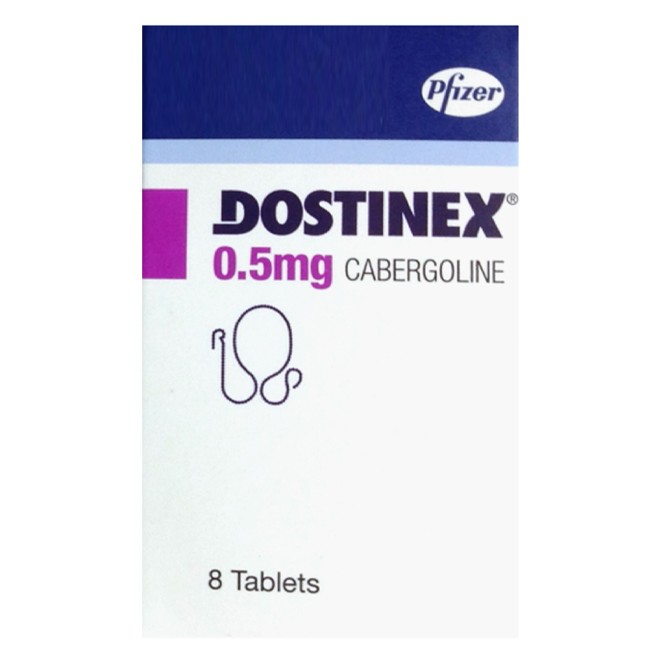


Cabergoline is a highly selective dopamine D2 receptor agonist that plays an important role in the treatment of hyperprolactinemia. To ensure the effectiveness and sustainability of treatment, strict adherence to its medication specifications and monitoring requirements is necessary.
What Are the Precautions for Using Cabergoline?
Contraindicated Populations
Patients with uncontrolled hypertension.
Individuals with a history of allergy to ergot derivatives.
Patients diagnosed with cardiac valvular disease via echocardiography or with a past history of pericardial fibrosis.
Patients with pleural, pulmonary, or retroperitoneal fibrotic lesions.
Patients with anatomical evidence of valvular heart disease (e.g., leaflet thickening, restrictive valvular lesions) or a history of mixed valvular stenosis.
Cardiovascular System Examination
A complete cardiovascular assessment, with echocardiography as the core component, must be completed before initiating treatment.
If valvular lesions are detected, the medication plan should be terminated immediately.
For patients using other drugs that may cause valvular lesions, cabergoline may only be considered when its expected benefits clearly outweigh the risks.
Administration Precautions
This product can be taken with food or on an empty stomach.
Enhanced monitoring for adverse reactions is required in patients with moderate hepatic impairment (Child-Pugh Class B), while use is not recommended in patients with severe hepatic impairment (Child-Pugh Class C).
Medication Monitoring for Cabergoline
Cardiac Function Monitoring
A follow-up echocardiogram is required every 6–12 months after the start of treatment, or can be arranged flexibly based on clinical indications (e.g., new-onset edema, cardiac murmurs, dyspnea, etc.).
Special attention should be paid to sudden chest pain and signs of heart failure; if such symptoms occur, the possibility of valvular fibrosis and pericarditis must be ruled out immediately.
Monitoring for Fibrotic Symptoms
Continuous attention should be paid to progressive respiratory distress, intractable dry cough, chest pain, and other manifestations of thoracic and pulmonary diseases.
Symptoms suggesting retroperitoneal fibrosis, such as lumbago and abdominal pain, lower extremity edema, and abdominal masses.
Dynamic assessment via chest X-ray, serum creatinine testing, and other methods is recommended on a regular basis.
Special Behavioral Monitoring
During medication, focused screening for impulse control disorders is required, including abnormal behaviors such as pathological gambling, hypersexuality, and compulsive spending.
Patients may not be able to consciously identify the abnormality of these behaviors. It is recommended that medical staff take the initiative to inquire, and reduce the dose or discontinue the drug promptly if such disorders are detected.