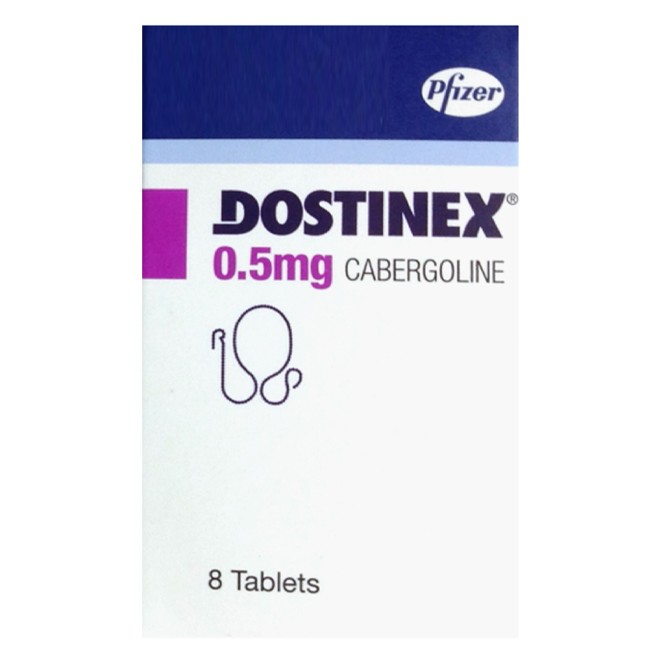


Cabergoline is a dopamine receptor agonist primarily indicated for the treatment of hyperprolactinemia and its associated disorders in adults.
Side Effects of Cabergoline
Common Side Effects
Gastrointestinal reactions: Nausea is one of the most common side effects. Some patients may also experience vomiting, constipation, dyspepsia, abdominal pain, etc.
Neurological reactions: Headache and dizziness are also very prevalent. A small number of people may feel drowsiness, vertigo, paresthesia (such as a pins-and-needles sensation), or fatigue.
Other discomforts: Individual patients may present with symptoms like asthenia, hot flashes, nasal congestion, visual disturbances, or breast pain.
Severe Side Effects of Cabergoline
Cardiac Valvular Disease and Pericardial Fibrosis
Long-term use, especially at high doses, may lead to thickening and restriction of cardiac valves, causing blood regurgitation (valvular regurgitation), as well as fibrosis (scarring) of the pericardium (the sac surrounding the heart).
Physicians must conduct a cardiovascular assessment for patients, including echocardiography, to rule out pre-existing valvular heart disease.
Use of this product is prohibited in patients with a relevant medical history.
During medication: Regular echocardiographic monitoring is required (e.g., every 6–12 months).
In case of new or worsening dyspnea, chest pain, palpitations, ankle or leg edema, or if a heart murmur is detected during physical examination, immediate evaluation must be performed to determine whether it is drug-related.
Pleural, Pulmonary, and Retroperitoneal Fibrosis
Pleural and pulmonary fibrosis: May manifest as persistent cough, shortness of breath, chest pain, and difficulty breathing.
Retroperitoneal fibrosis: Can cause flank or lower back pain, lower extremity edema, abdominal masses or tenderness, and in severe cases, may lead to renal impairment or ureteral obstruction.
This drug is contraindicated in patients with a history of relevant fibrotic diseases. If any of the above symptoms occur during treatment, immediate medical attention is required.
Impulse Control Disorders and Compulsive Behaviors
Pathological gambling: Development of intense, uncontrollable urges to gamble.
Hypersexuality: Abnormally increased sexual urges.
Compulsive shopping: Emergence of irresistible shopping desires and extravagant spending behaviors.
Binge eating disorder: Occurrence of compulsive overeating.
Once such conditions arise, these impulses can usually be alleviated or resolved by reducing the dose or discontinuing the drug.
Orthostatic Hypotension
Cabergoline may cause a drop in blood pressure, especially when standing up suddenly, leading to dizziness, lightheadedness, or fainting.
Blood pressure should be monitored regularly during medication. Movements when rising from a sitting or lying position should be slow to reduce the risk.
If dizziness is frequent, the physician should be informed promptly.
Precautions for Cabergoline
Pre-treatment Assessment
The assessment process is crucial before initiating cabergoline therapy. First, an evaluation for cardiac valvular disease is required, including echocardiography.
If valvular disease is identified during the assessment, the drug should not be administered.
Medication Use in Special Populations
Pregnant women: If pregnancy is confirmed during cabergoline treatment, the physician should be consulted immediately to jointly evaluate the benefits and risks of continuing medication.
Lactating women: Cabergoline is strictly prohibited for suppressing or stopping physiological postpartum lactation, and breastfeeding should not be conducted during medication.
Patients with hepatic impairment: Enhanced monitoring for adverse reactions is needed in patients with moderate hepatic impairment, while use is not recommended in those with severe hepatic impairment.