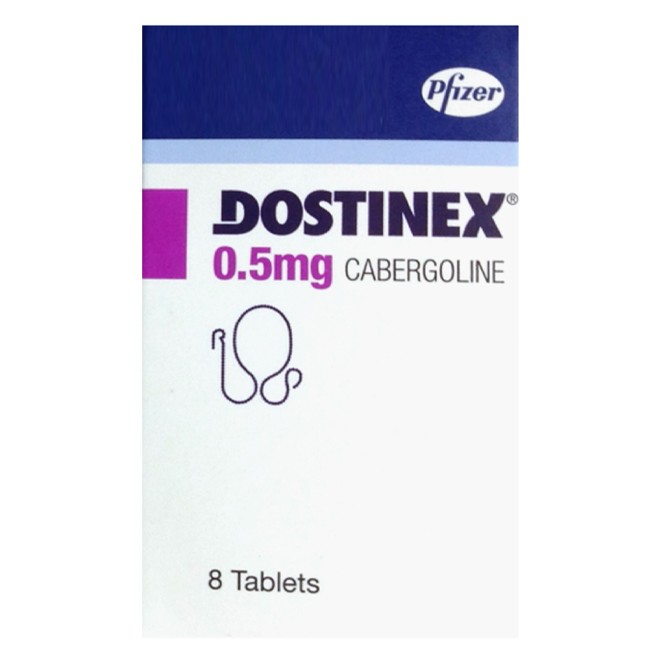


Cabergoline is a dopamine receptor agonist primarily indicated for the treatment of hyperprolactinemia in adults, whether idiopathic or caused by pituitary adenomas. Proper use of this medication is crucial for ensuring efficacy and minimizing adverse reactions.
Dosage and Administration, Recommended Dose of Cabergoline
Pre-treatment Assessment
Before initiating cabergoline therapy, patients must undergo a cardiovascular system assessment, particularly echocardiography to rule out cardiac valvular disease.
If valvular lesions are detected, the use of this product is prohibited.
Initial Dose and Administration Regimen
Recommended initial dose: 0.25 mg, administered orally twice weekly.
This low initial dose helps the body adapt to the drug and reduces early adverse reactions such as nausea, dizziness, or hypotension that may occur initially.
Dose Titration and Treatment Goals
Treatment goal: To reduce serum prolactin levels to the normal range.
Dose adjustment: If prolactin levels remain abnormal 4 weeks after treatment with the initial dose, the total weekly dose can be increased by 0.25 mg (i.e., from 0.25 mg twice weekly to 0.5 mg twice weekly).
Adjustment interval: Each dose increase should be separated by at least 4 weeks to allow sufficient time to observe efficacy and tolerability.
Maximum dose: The recommended maximum therapeutic dose is 1 mg, administered orally twice weekly.
Administration and Monitoring
Cabergoline can be taken with or without food, as food does not affect its absorption.
During treatment, regular monitoring of serum prolactin levels is required, usually every 4 weeks during the dose adjustment phase; the monitoring interval can be extended once levels stabilize.
If treatment is discontinued, prolactin levels still need to be reviewed regularly to determine whether restarting treatment is necessary.
Dose Adjustment of Cabergoline
Intolerance
If intolerable side effects occur (such as severe nausea, headache, or orthostatic hypotension), dose reduction or temporary discontinuation should be considered.
After symptoms resolve, treatment can be restarted at a lower dose or with a slower titration regimen.
Occurrence of Specific Adverse Reactions
If new-onset cardiac valve regurgitation, restricted valve mobility, leaflet thickening, or pericarditis is detected during treatment, cabergoline must be immediately discontinued.
If signs of fibrotic diseases such as chest pain, dyspnea, or persistent cough appear, treatment should also be stopped and an assessment conducted.
Use of Cabergoline in Special Populations
Patients with Hepatic Impairment
Mild hepatic impairment (Child-Pugh Class A): Can be used at the regular dose.
Moderate hepatic impairment (Child-Pugh Class B): Should be used with caution, and monitoring for adverse reactions should be enhanced.
Severe hepatic impairment (Child-Pugh Class C): Not recommended for use.
Pregnant Women
If pregnancy is confirmed during cabergoline treatment, the necessity of continuing treatment should be re-evaluated.
Treatment should only be continued if the benefits to the mother outweigh the potential risks to the fetus.
If pregnancy is suspected, a pregnancy test should be performed immediately, and the doctor should be consulted to discuss whether to continue treatment.
Postpartum/Lactating Women
Cabergoline is strictly prohibited for suppressing or stopping physiological postpartum lactation.
Severe adverse events such as hypertension, stroke, myocardial infarction, seizures, and even death have occurred when bromocriptine, a drug of the same class, was used for this purpose.