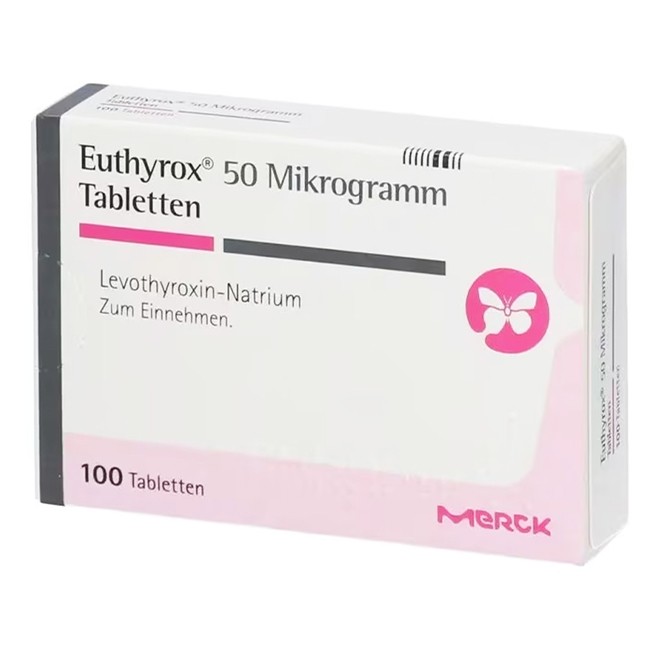


Levothyroxine Sodium Tablets (Euthyrox) is a medication commonly used for the treatment of hypothyroidism and TSH suppression therapy following thyroid cancer surgery. Its main component is synthetic thyroid hormone T4, which is used to supplement or replace insufficiently secreted thyroid hormones in the human body.
What Are the Side Effects of Levothyroxine Sodium Tablets (Euthyrox)?
Common Side Effects
Systemic reactions: Fatigue, increased appetite, weight loss, heat intolerance, fever, excessive sweating.
Central nervous system: Headache, hyperactivity, nervousness, anxiety, irritability, mood swings, insomnia.
Musculoskeletal system: Tremors, muscle weakness, muscle spasms.
Cardiovascular system: Palpitations, tachycardia, arrhythmias, increased blood pressure, heart failure, angina pectoris, myocardial infarction, cardiac arrest.
Respiratory system: Dyspnea.
Gastrointestinal system: Diarrhea, vomiting, abdominal colic, abnormal liver function.
Skin and appendages: Alopecia (hair loss), flushing of the face, skin rash.
Endocrine and reproductive system: Decreased bone mineral density, menstrual irregularities, reduced fertility.
Severe Side Effects of Levothyroxine Sodium Tablets (Euthyrox)
Severe Cardiac-Related Reactions
Particularly common in elderly patients or those with pre-existing cardiovascular diseases.
Overdosage may lead to atrial fibrillation, myocardial infarction, and heart failure.
It is recommended to start with a low initial dose, adjust gradually, and monitor cardiac function regularly.
Myxedema Coma
This is a life-threatening condition caused by severe hypothyroidism. Levothyroxine Sodium Tablets cannot be used orally for treatment; intravenous thyroid hormone administration and emergency medical intervention are required.
Acute Adrenal Crisis
In patients with comorbid adrenal insufficiency, direct use of Levothyroxine Sodium Tablets without prior glucocorticoid supplementation may induce an acute adrenal crisis, characterized by severe hypotension, shock, etc.
Severe Hyperthyroidism Symptoms
Overdosage may result in severe hyperthyroidism.
Manifestations include: Persistent tachycardia, confusion, disorientation, seizures (especially in children with overdosage), cerebral embolism, coma, and even death.
Important Precautions for Levothyroxine Sodium Tablets (Euthyrox)
Medication in Special Populations
Elderly patients: Start with a low initial dose, increase gradually, and be alert to arrhythmias.
Pregnant women: Dosage adjustment is required during pregnancy; monitor TSH every trimester and revert to the pre-pregnancy dose after delivery.
Pediatric patients: Calculate dosage based on body weight; regularly monitor height, bone age, TSH, and T4 levels.
Patients with adrenal or pituitary insufficiency: Initiate glucocorticoid supplementation first before starting Levothyroxine Sodium Tablets therapy.
Regular Monitoring and Follow-Up
Patients with hypothyroidism: Check TSH every 6-8 weeks; recheck every 6-12 months after stabilization.
Patients with thyroid cancer: TSH needs to be suppressed within the target range, which may require a higher dosage.
Poor adherence or inadequate efficacy: Investigate potential causes such as malabsorption, drug interactions, or non-compliance with medical advice.
Avoid Misuse and Overdosage
Strictly prohibited for weight loss or obesity treatment; overdosage can cause poisoning and even death.
If hyperthyroidism symptoms such as palpitations, excessive sweating, weight loss, or insomnia occur, seek timely re-evaluation and dosage adjustment.