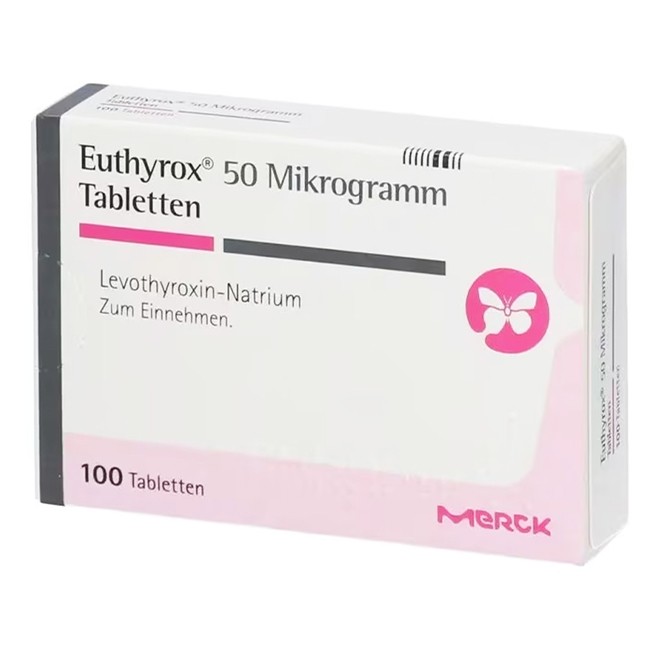


Levothyroxine Sodium Tablets (Euthyrox) is a synthetic thyroid hormone primarily used for the treatment of hypothyroidism and as an adjuvant medication for TSH suppression therapy following thyroid cancer surgery.
How to Use Levothyroxine Sodium Tablets (Euthyrox)
Administration Time and Method
Levothyroxine Sodium Tablets should be taken once daily on an empty stomach, preferably 30 to 60 minutes before breakfast.
Taking the medication on an empty stomach facilitates absorption and enhances efficacy.
Interval with Other Medications or Foods
Certain medications and foods may interfere with the absorption of levothyroxine sodium, such as calcium supplements, iron supplements, aluminum-magnesium antacids, soy products, and high-fiber foods.
Levothyroxine Sodium Tablets should be taken at least 4 hours apart from these substances.
Administration for Infants and Toddlers
For infants and toddlers unable to swallow whole tablets, crush the tablet and mix with a small amount of water (approximately 5-10 mL) to form a suspension. Administer immediately using a spoon or dropper.
Do not mix the medication with foods that affect absorption (e.g., soy milk).
Dosage Adjustment of Levothyroxine Sodium Tablets (Euthyrox)
Initial Dosage Determination
The initial dosage of levothyroxine sodium should be individually determined based on factors such as the patient’s age, body weight, cardiovascular status, thyroid function indicators, and comorbidities.
The typical starting dosage for hypothyroidism in adults is approximately 1.6 mcg/kg/day.
Dosage Adjustment Interval
Dosage adjustments should be made every 4 to 6 weeks, with increments or decrements of 12.5 mcg to 25 mcg each time, until thyroid function indicators (e.g., TSH) return to normal and the patient’s clinical symptoms improve.
Efficacy Monitoring
Regularly monitor indicators such as TSH and T4 during treatment to assess efficacy.
If the patient responds poorly to the conventional dosage, consider factors such as malabsorption, poor adherence, or drug interactions.
Medication in Special Populations for Levothyroxine Sodium Tablets (Euthyrox)
Elderly Patients
Elderly patients often have comorbid cardiovascular diseases. The initial dosage should be low, typically starting from 12.5 mcg to 25 mcg, with gradual increments to avoid inducing arrhythmias or angina pectoris.
Pregnant Patients
Thyroid hormone requirements increase during pregnancy. Pregnant women should undergo TSH testing immediately after confirming pregnancy and adjust the dosage based on gestational age-specific reference ranges.
Postpartum, revert to the pre-pregnancy dosage and recheck TSH after 4-8 weeks.
Pediatric Patients
Pediatric dosages should be determined based on body weight and age, with timely adjustments as the child grows and develops.
Closely monitor height, weight, bone age, and neurodevelopment during treatment. Avoid insufficient dosage (which may affect intellectual development) or excessive dosage (which may advance bone age).
Patients with Comorbidities
Patients with heart disease: Start with a low initial dosage and adjust gradually. Monitor for symptoms such as palpitations and chest pain.
Patients with diabetes: Thyroid hormones may affect blood glucose control; enhance blood glucose monitoring.
Patients with adrenal insufficiency: Supplement with glucocorticoids before initiating levothyroxine sodium therapy to prevent adrenal crisis.