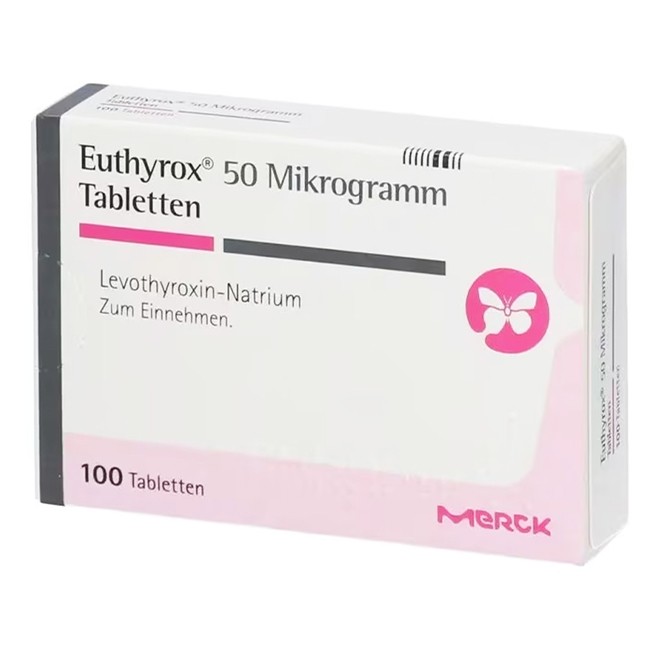


Levothyroxine Sodium Tablets (Euthyrox) is a medication commonly used for the treatment of hypothyroidism and TSH suppression therapy following thyroid cancer surgery. As a hormone replacement therapy, its use must strictly follow medical advice and be accompanied by regular monitoring to ensure efficacy.
Precautions for Using Levothyroxine Sodium Tablets (Euthyrox)
Correct Administration Method
Levothyroxine Sodium Tablets should be taken on an empty stomach every early morning, preferably 30-60 minutes before breakfast, to facilitate full absorption of the medication.
Concurrent use with certain medications or foods (e.g., calcium supplements, iron supplements, aluminum-magnesium antacids, soy products, high-fiber foods) should be avoided. A minimum interval of 4 hours is required to prevent reduced efficacy.
Contraindications and Precautions
This product is contraindicated in patients with uncorrected adrenocortical insufficiency.
Patients with cardiovascular diseases such as coronary heart disease, hypertension, or arrhythmias—especially the elderly—should start with a low dosage under medical guidance and gradually adjust to prevent cardiac adverse reactions.
Special Population Medication Tips
Pregnant women: Thyroid hormone requirements often increase during pregnancy. Dosage adjustment under medical supervision and regular TSH monitoring are necessary.
Children: Dosage must be accurately calculated based on body weight and age. Close observation during initial treatment is required to prevent over-treatment from affecting growth and development.
Elderly patients: Due to the high prevalence of concurrent cardiovascular issues, the initial dosage should be low with gradual adjustments.
Alert for Overdosage Symptoms
Levothyroxine overdosage can cause hyperthyroidism symptoms, such as palpitations, excessive sweating, weight loss, anxiety, and insomnia.
Severe cases may lead to arrhythmias or even myocardial infarction.
If any of the above symptoms occur, seek medical attention immediately for dosage adjustment.
Drug Interactions
This product interacts with various medications, including anticoagulants, antidepressants, hypoglycemic agents, and glucocorticoids.
Inform the physician when using concurrently; dosage adjustment or monitoring of relevant indicators may be necessary.
Medication Monitoring for Levothyroxine Sodium Tablets (Euthyrox)
Monitoring During Initial Treatment
After starting levothyroxine or adjusting the dosage, thyroid function (including TSH and T4) should generally be rechecked after 6-8 weeks to assess dosage adequacy.
More frequent monitoring may be required for children, pregnant women, and the elderly.
Regular Rechecks for Long-Term Treatment
Even with stable condition, it is recommended to recheck thyroid function every 6-12 months to ensure TSH remains within the target range.
For thyroid cancer patients, TSH suppression targets are more stringent and require individualized control.
Special Monitoring for Pediatric Patients
In addition to regular TSH and T4 testing, pediatric patients require close monitoring of height, weight, bone age, and intellectual development to prevent insufficient or excessive dosage from affecting growth.