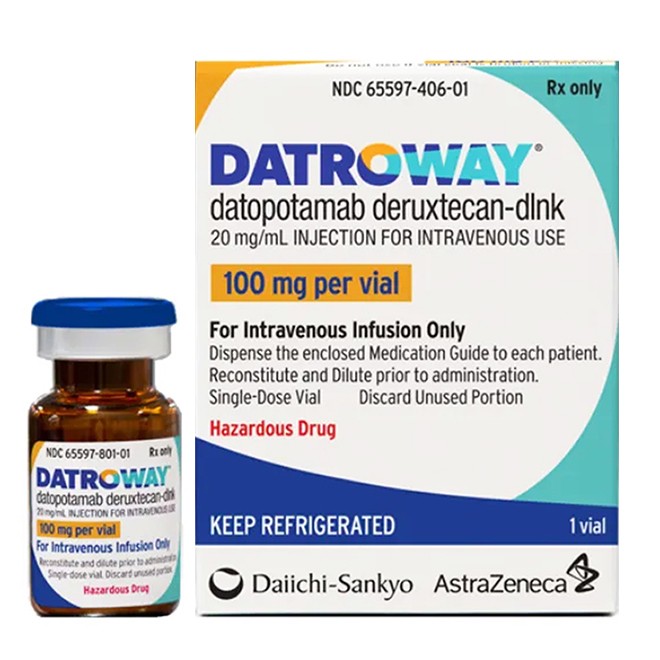


Datroway (datopotamab deruxtecan) is specifically indicated for the treatment of unresectable or metastatic hormone receptor (HR)-positive, human epidermal growth factor receptor 2 (HER2)-negative breast cancer in patients who have previously received endocrine-based therapy and chemotherapy. As an innovative targeted therapy, while it has demonstrated significant efficacy in clinical studies, it is accompanied by a series of side effects and precautions that require high vigilance.
Side Effects of Datroway (Datopotamab Deruxtecan)
Systemic Adverse Reactions
Fatigue is one of the most common systemic reactions, occurring in 44% of treated patients, with 4.2% experiencing grade 3-4 severe fatigue.
This symptom may affect patients' quality of daily life and requires active management during treatment.
Gastrointestinal Reaction Complex
Gastrointestinal adverse reactions are among the most prominent issues in Datroway treatment.
Stomatitis has an incidence rate as high as 59%, including 7% of grade 3-4 severe events.
Nausea occurs in 56% of patients, vomiting in 24%, constipation in 34%, and diarrhea in 11%.
Skin and Appendage Reactions
Alopecia is relatively common in Datroway treatment, with an incidence of 38%.
Although it typically does not require treatment discontinuation, it may significantly impact patients' psychological status, necessitating corresponding psychological support.
Laboratory Abnormalities
Hematological abnormalities include leukopenia (41%), lymphopenia (36%), hemoglobin decrease (35%), and neutropenia (30%).
Biochemical abnormalities include hypocalcemia (39%), increased ALT (24%), increased AST (23%), and increased alkaline phosphatase (23%).
These laboratory abnormalities are usually grade 1-2, with a low incidence of grade 3-4 severe abnormalities.
Severe Side Effects of Datroway (Datopotamab Deruxtecan)
Interstitial Lung Disease (ILD)/Pneumonitis
Interstitial lung disease/pneumonitis is one of the most dangerous complications of Datroway.
Monitor for new or worsening respiratory symptoms such as dyspnea, cough, and fever.
Immediately suspend administration and initiate corticosteroid therapy if ILD/pneumonitis is suspected.
Permanently discontinue treatment if grade 2 or higher ILD/pneumonitis is confirmed.
Patients with mild renal impairment have a higher incidence of ILD/pneumonitis and require special vigilance.
Severe Ocular Adverse Reactions
Ocular toxicity is a typical side effect of Datroway: dry eye (27%), keratitis (24%), blepharitis and increased tear secretion (8% each), and meibomian gland dysfunction (7%).
Perform ophthalmic examinations before treatment initiation, annually during treatment, at the end of treatment, and as clinically indicated.
Patients are advised to use preservative-free lubricating eye drops at least four times daily.
Avoid contact lens use during treatment. Adjust dosage based on the severity of adverse reactions.
Severe Stomatitis
Stomatitis is not only a common side effect but may also progress to a severe complication.
Preventive measures include using steroid-containing mouthwash four times daily and holding ice chips or cold water in the mouth during infusion.
Precautions for Datroway (Datopotamab Deruxtecan)
Pre-Treatment Evaluation and Preparation
A comprehensive evaluation must be conducted before initiating Datroway treatment.
Ophthalmic examinations should include visual acuity testing, slit-lamp examination, intraocular pressure measurement, and funduscopy.
Premedication with antihistamines, antipyretic agents, and antiemetics is recommended to reduce the risk of infusion-related reactions and gastrointestinal side effects.
Safe Management of Infusion Process
For intravenous infusion only; intravenous bolus or rapid injection is prohibited.
The first infusion should last 90 minutes. If well-tolerated, subsequent infusions can be shortened to 30 minutes.
Protect the drug from light during infusion. Do not mix with other medications.