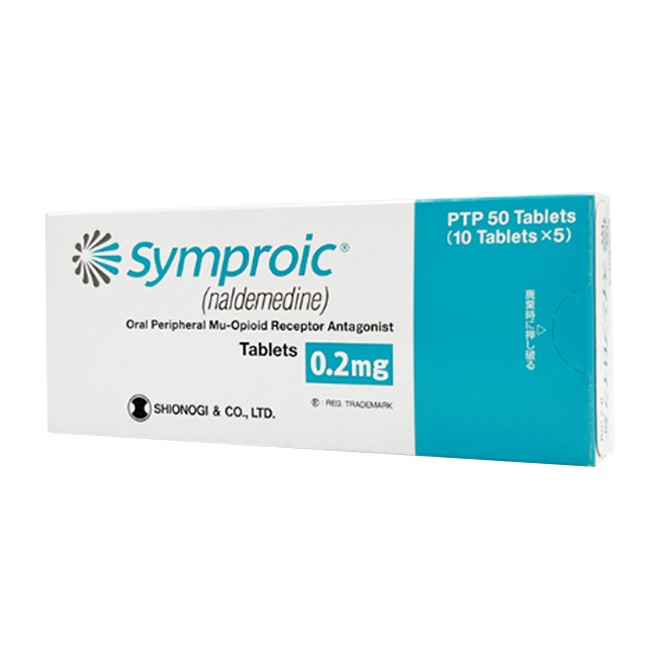


Naldemedine (Symproic) is a weekly-acting opioid antagonist used for the treatment of opioid-induced constipation (OIC), providing patients with an effective relief option.
Side Effects of Naldemedine (Symproic)
Common Adverse Reactions
Abdominal pain (approximately 8%-11%): Mainly presents as abdominal discomfort, or pain in the upper or lower abdomen.
Diarrhea (approximately 7%): Some patients experience diarrhea, which may be related to the drug accelerating intestinal peristalsis. If necessary, fluid replacement is required to prevent dehydration.
Nausea (approximately 4%-6%): Local irritation of the gastrointestinal mucosa by the drug may cause a feeling of nausea.
Gastroenteritis (approximately 2%-3%): Mainly manifests as symptoms of gastrointestinal inflammation, which can be treated with symptomatic therapy under the guidance of a doctor.
Vomiting (approximately 3%): The incidence is relatively low, but it requires attention if accompanied by other digestive system symptoms.
Severe Side Effects of Naldemedine (Symproic)
Gastrointestinal Perforation
Although relatively rare, there are reports of associated risks.
If severe, persistent, or gradually worsening abdominal pain occurs, the drug must be discontinued immediately and emergency medical intervention sought.
Strict risk assessment is required, especially for patients with a history of gastrointestinal surgery, tumor, diverticulitis, or those who have received radiotherapy or chemotherapy.
Opioid Withdrawal Symptoms
Patients may present with excessive sweating, chills, tearing, facial flushing, sneezing, fever, feeling cold, abdominal pain, diarrhea, nausea, and vomiting.
Patients with impaired blood-brain barrier function (e.g., a history of central nervous system disease or surgery) have a higher risk of developing withdrawal symptoms.
During clinical treatment, relevant symptoms need to be closely monitored, and individualized medication plans should be developed after weighing the pros and cons.
Precautions for Naldemedine (Symproic)
Contraindicated Populations
Patients with known or suspected gastrointestinal obstruction or at risk of recurrent obstruction.
Patients with allergic reactions to naldemedine or its components. Some patients have experienced severe allergic symptoms such as bronchospasm and rash, which require immediate drug discontinuation for management.
Medication in Special Populations
Pregnant women: Naldemedine may cross the placenta and induce opioid withdrawal symptoms in the fetus. It can only be used when the potential therapeutic benefits are clearly greater than the risks.
Lactating women: The drug may be excreted in breast milk, causing withdrawal reactions in infants. It is recommended to suspend breastfeeding during medication use, or resume breastfeeding at least 3 days after drug discontinuation.
Patients with hepatic impairment: Patients with severe hepatic impairment should avoid using this drug; patients with mild to moderate hepatic impairment do not require dose adjustment.
Drug Interactions
Strong CYP3A inducers (e.g., rifampicin, carbamazepine): Concurrent use with such drugs may significantly reduce the plasma concentration of naldemedine and weaken its efficacy, so combined use should be avoided.
Other opioid antagonists: Combined use may enhance the antagonistic effect and exacerbate withdrawal symptoms, so combined use should be avoided.
Moderate to strong CYP3A inhibitors and P-gp inhibitors (e.g., cyclosporine): May increase the plasma concentration of naldemedine and raise the risk of adverse reactions. Close monitoring is required when using these drugs in combination.