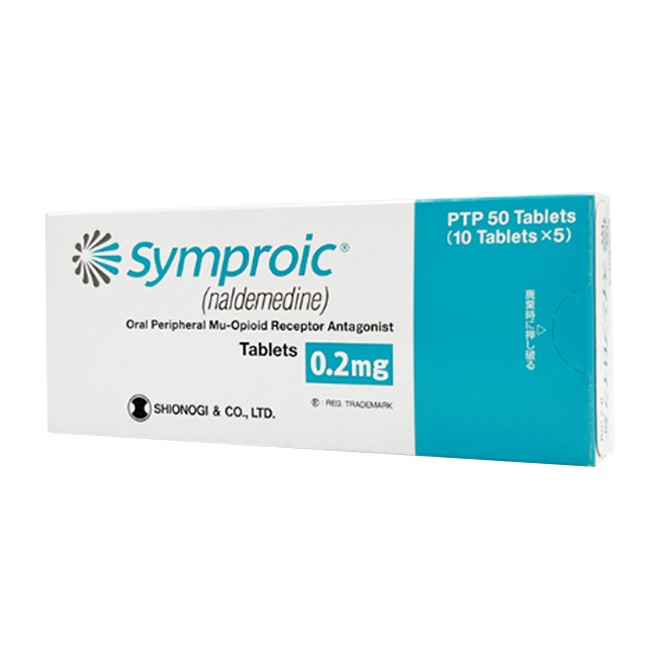


Naldemedine (Symproic) is a dedicated medication for the treatment of opioid-induced constipation (OIC). As a peripherally acting opioid receptor antagonist, it effectively relieves OIC symptoms while requiring attention to specific medication risks and monitoring requirements in clinical use.
What Are the Precautions for Taking Naldemedine (Symproic)?
Contraindications Related to Gastrointestinal Obstruction
Naldemedine is absolutely contraindicated in patients with known or suspected gastrointestinal obstruction.
Such patients include, but are not limited to, individuals with intestinal tumors, a history of previous gastrointestinal surgery, diverticulitis, and other related conditions.
The medication promotes intestinal peristalsis by antagonizing opioid receptors, which may increase the risk of gastrointestinal perforation in the presence of obstruction.
Special attention must be paid to patients with the following conditions: those who have undergone gastrointestinal surgery, have Crohn's disease, or have received chemotherapy or radiotherapy.
Contraindications for Allergic Reactions
Patients with a history of allergy to the components of naldemedine are prohibited from using this medication.
Clinically observed allergic reactions include manifestations such as bronchospasm and skin rashes.
Before administration, doctors should inquire in detail about the patient's history of drug allergies, especially allergies to opioid antagonists.
Precautions for Pregnant Women Taking Medication
Currently, there is insufficient data on the use of naldemedine in pregnant women to assess the risks of drug-related major birth defects and miscarriage.
Naldemedine can cross the placental barrier. Since the fetal blood-brain barrier is not yet fully developed, it may cause opioid withdrawal symptoms in the fetus.
When naldemedine is used in pregnant women, the potential benefits and possible risks must be strictly weighed.
Medication Guidance for Lactating Patients
Considering the potential for serious adverse reactions (including opioid withdrawal symptoms) in breastfed infants, a decision should be made to either discontinue breastfeeding or discontinue the medication, while taking into account the importance of the medication to the mother.
If the medication is discontinued to minimize drug exposure to the breastfed infant, it is recommended to resume breastfeeding 3 days after the last dose of naldemedine.
Treatment Monitoring for Naldemedine (Symproic)
Monitoring of Gastrointestinal Symptoms
Patients must be closely monitored for the occurrence of severe, persistent, or worsening abdominal pain, as this may be a precursor to gastrointestinal perforation.
Once such symptoms occur, the medication should be stopped immediately and emergency medical assistance sought.
Monitoring of Opioid Withdrawal Symptoms
Autonomic nervous system symptoms: Excessive sweating, chills, hot flashes/flushing, fever, feeling cold, elevated body temperature.
Gastrointestinal symptoms: Abdominal pain, diarrhea, nausea, vomiting.
Other symptoms: Sneezing, increased tearing, anxiety, restlessness, yawning, runny nose, etc.
Patients with impaired blood-brain barrier (e.g., due to central nervous system injury, inflammation, or other disease states) may face a higher risk of opioid withdrawal or reduced analgesic effect. When using naldemedine in such patients, the overall risk-benefit profile needs to be carefully evaluated.
Enhanced Monitoring for Special Populations
For pregnant women, in addition to routine monitoring, attention should also be paid to potential fetal withdrawal symptoms.
For patients with hepatic impairment, even those with mild to moderate impairment, more frequent liver function tests and assessment of adverse reactions are recommended.