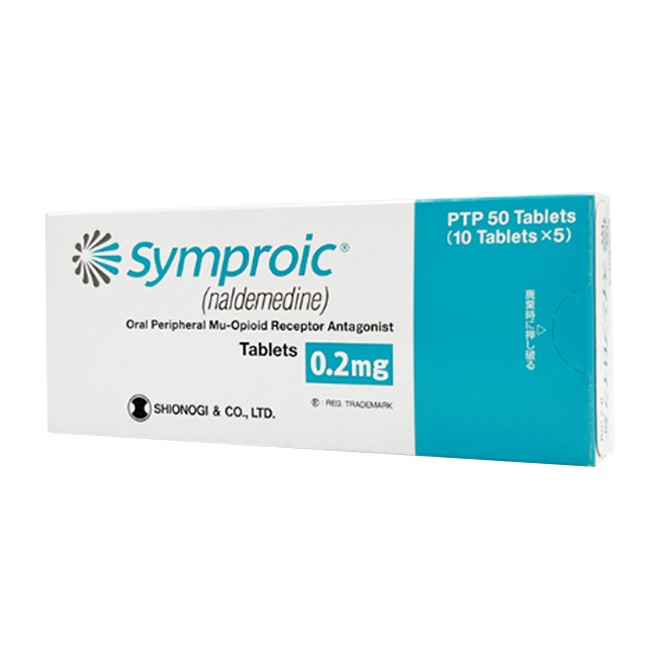


Naldemedine (Symproic) is a specific medication for treating opioid-induced constipation (OIC), and its clinical application has become increasingly widespread. With the growth in demand, the market has also seen a mixed situation of genuine and counterfeit products.
What Are the Purchase Channels for Naldemedine (Symproic)?
Overseas Purchase
Patients can choose to consult and purchase naldemedine at hospital pharmacies or formal drugstores in countries or regions where the medication has been launched.
Since drug prices may be affected by factors such as regional differences and exchange rate fluctuations, patients need to make budgets and plans in advance before purchasing.
Purchase Through Medical Service Institutions
Patients can consult domestic overseas medical service institutions that cooperate with international pharmacies or pharmaceutical companies.
These institutions can usually provide legal import channels and offer professional consultation and guidance.
Precautions for Purchasing Naldemedine (Symproic)
Strictly Use in Accordance with Medical Advice
Naldemedine has strict indication restrictions and is only applicable to opioid-induced constipation related to chronic non-cancer pain in adults.
This includes patients with chronic pain related to previous cancer or its treatment, and these patients do not require frequent (e.g., weekly) opioid dose increases.
Identification of Contraindicated Populations
Before purchasing, patients need to confirm whether they belong to the contraindicated population.
This medication is contraindicated in patients with known or suspected gastrointestinal obstruction, as well as patients at increased risk of recurrent obstruction, due to the risk of gastrointestinal perforation.
Patients with a history of allergic reactions to naldemedine should also not use this medication.
Precautions for Special Populations
Pregnant and lactating women need to be particularly cautious.
Naldemedine may cause opioid withdrawal symptoms in fetuses. Lactating women should weigh the pros and cons under the guidance of a doctor to decide whether to discontinue the medication or stop breastfeeding.
Patients with hepatic impairment need to be aware that patients with severe hepatic impairment (Child-Pugh Class C) should avoid using this medication.
Considerations for Drug Interactions
Strong CYP3A inducers (such as rifampicin) can significantly reduce the plasma concentration of naldemedine, affecting its efficacy, so concurrent use should be avoided.
Other opioid antagonists may have an additive effect, increasing the risk of opioid withdrawal.
Moderate and strong CYP3A4 inhibitors may increase the plasma concentration of naldemedine.
P-glycoprotein inhibitors also require monitoring for potential adverse reactions.
Methods to Distinguish Authenticity of Naldemedine (Symproic)
Identification by Packaging Markings
The tablet specification of authentic naldemedine is 0.2mg. It is a yellow, round, film-coated tablet, with the Shionogi logo and the code "222" engraved on one side, and "0.2" engraved on the other side.
When purchasing, these physical characteristics should be carefully checked.
Verification of Drug Approval Number
Querying the drug approval number through the official website of the National Medical Products Administration is an important way to verify authenticity.
Each formal drug has a unique approval number, and consumers can verify it through the official database.
Confirmation of Manufacturer Information
The manufacturer information of naldemedine should be clear and specific.
Authentic products are manufactured by BioDelivery Sciences International, Inc., and the trademark ownership belongs to Shionogi & Co., Ltd.
Inspection of Physical Properties
Authentic naldemedine tablets have specific color, shape, and engraving characteristics.
Normal tablets should have a smooth surface, uniform color, and no signs of cracking or deterioration.
Verification of Drug Traceability Code
Using the traceability code on the drug packaging for verification is an important method for modern drug anti-counterfeiting.
Through official or authorized traceability platforms, information about the drug's production and circulation can be queried to confirm its authenticity.