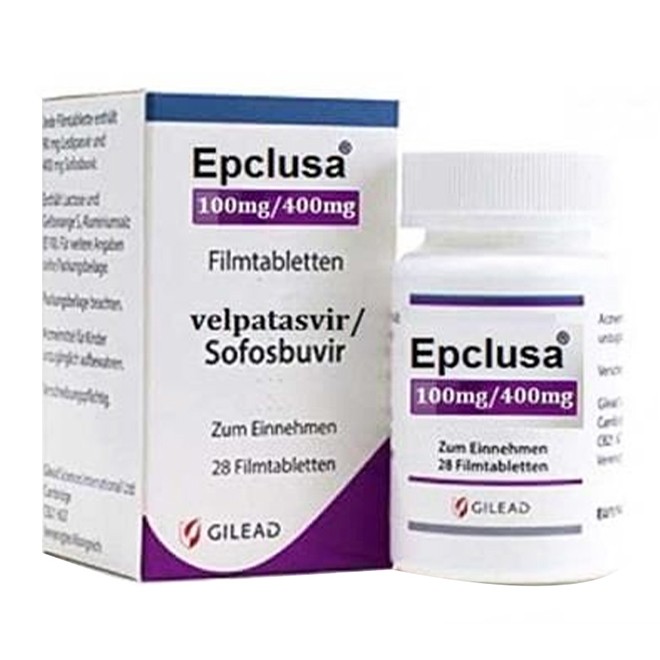


Epclusa (sofosbuvir/velpatasvir) is the world’s first antiviral medication covering all 6 genotypes of hepatitis C virus (HCV). Its outstanding efficacy has transformed the treatment landscape for hepatitis C.
What Are the Side Effects of Epclusa (Sofosbuvir/Velpatasvir)?
Adult Patient Population
Headache (incidence rate: 22%) and fatigue (15%) are the most common adverse reactions.
Other side effects include nausea (9%), weakness (5%), and insomnia (5%).
Among these side effects, 79% are mild (Grade 1).
Reactions in Special Populations
Patients with HIV/HCV coinfection: Fatigue (22%) and headache (10%).
Patients with decompensated cirrhosis (treated in combination with ribavirin): Fatigue (32%), anemia (26%), nausea (15%), headache (11%), insomnia (11%), and diarrhea (10%).
Liver transplant recipients: Headache (18%), fatigue (15%), nausea (8%), diarrhea (6%), and weakness (5%).
Characteristics in Pediatric Patients
Children aged ≥ 6 years: The spectrum of side effects is similar to that in adults.
Infants/toddlers aged < 6 years: Higher incidences of vomiting (15%) and medication regurgitation (10%) are observed.
Warning for Severe Side Effects of Epclusa (Sofosbuvir/Velpatasvir)
Risk of Hepatitis B Virus (HBV) Reactivation
This is the most critical severe side effect of Epclusa that requires vigilance.
In patients with HCV/HBV coinfection, HBV reactivation may occur during or after treatment with direct-acting antiviral (DAA) agents for HCV (including Epclusa) if they do not receive HBV antiviral treatment. In severe cases, it can lead to fulminant hepatitis, liver failure, or even death.
Severe Bradycardia
When Epclusa is used in combination with amiodarone, life-threatening symptomatic bradycardia may occur. The risk is particularly higher in patients taking beta-blockers, those with cardiac comorbidities, and/or those with advanced liver disease.
Other Severe Reactions
Decrease in hemoglobin to < 10 g/dL (observed in 23% of patients).
Elevated indirect bilirubin (observed in patients with HIV-1/HCV coinfection taking atazanavir/ritonavir).
Precautions for Using Epclusa (Sofosbuvir/Velpatasvir)
Necessary Tests Before Medication Use
All patients must undergo testing for hepatitis B surface antigen (HBsAg) and hepatitis B core antibody (anti-HBc) to confirm current or past HBV infection.
Contraindications for Specific Drug Interactions
P-gp inducers and/or moderate-to-strong CYP inducers: Drugs such as rifampin, St. John’s wort, and carbamazepine may significantly reduce the blood concentrations of sofosbuvir and/or velpatasvir, leading to decreased treatment efficacy.
Antiarrhythmic drug amiodarone: Concurrent use may cause severe symptomatic bradycardia.
Antitumor drug topotecan: Concurrent use is strictly prohibited.
Certain HIV antiretroviral regimens: Concurrent use with Epclusa may be contraindicated or require dosage adjustments (refer to full prescribing information).
Medication Use in Special Populations
Patients with renal impairment: No dosage adjustment is required.
Patients with hepatic impairment: No dosage adjustment is required.
Pregnant and lactating women: If Epclusa is used in combination with ribavirin, strict contraceptive requirements must be followed (ribavirin is teratogenic and embryotoxic; refer to ribavirin’s prescribing information for details).