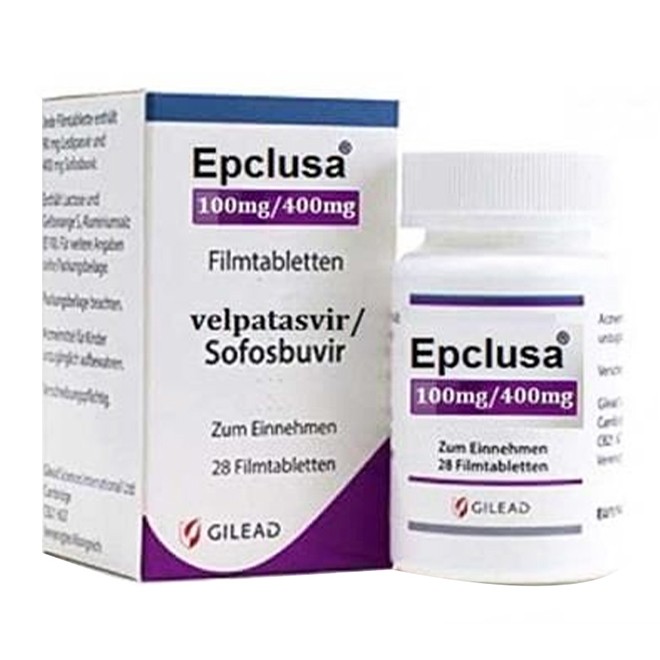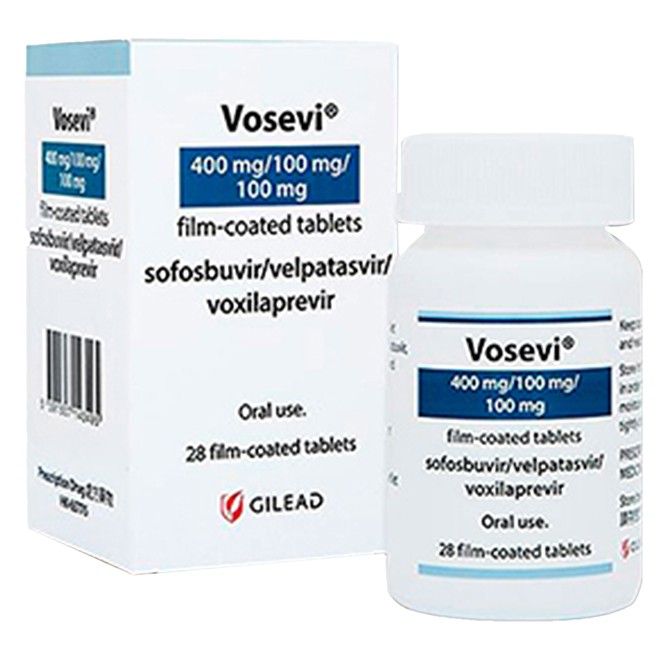


Epclusa (sofosbuvir/velpatasvir) is a curative therapy for pan-genotypic chronic hepatitis C, whose efficacy has been widely verified in clinical practice. As a potent antiviral medication, it has specific contraindications, risks of drug interactions, and mandatory monitoring indicators during use.
Precautions for Using Epclusa (Sofosbuvir/Velpatasvir)
Risk of Hepatitis B Virus (HBV) Reactivation
All patients must undergo screening for current or past HBV infection via hepatitis B surface antigen (HBsAg) and hepatitis B core antibody (anti-HBc) tests before initiating Epclusa treatment.
HBV reactivation may lead to fulminant hepatitis, liver failure, or even death.
For patients with concurrent HBV infection, regular monitoring of HBV markers and liver function is required throughout the treatment period and after treatment completion.
If signs of hepatitis flare or viral reactivation appear, standardized antiviral treatment for hepatitis B should be initiated immediately.
Life-Threatening Bradycardia When Used Concurrently with Amiodarone
Concurrent use of Epclusa with the antiarrhythmic drug amiodarone is strictly prohibited, as it may cause severe symptomatic bradycardia. The risk is particularly higher in patients who are also taking beta-blockers, have underlying heart disease, or have advanced liver disease.
When using a sofosbuvir-containing regimen (including Epclusa), if the patient is taking amiodarone:
The patient should be fully informed of the symptoms of bradycardia risk (e.g., presyncope, dizziness, fatigue, chest pain, dyspnea, or confusion). Inpatient electrocardiographic monitoring is required within 48 hours before concurrent use, followed by daily heart rate monitoring for at least the first two weeks of treatment.
Avoidance of Key Drug Interactions
P-gp inducers/moderate-to-strong CYP inducers: Such as rifampin, St. John’s wort, and carbamazepine. These drugs accelerate the metabolic clearance of sofosbuvir and/or velpatasvir.
Antacid medications: Administration must be spaced 4 hours apart from Epclusa.
HIV antiviral drug efavirenz: Regimens containing efavirenz are contraindicated.
H2 receptor antagonists (e.g., famotidine): The daily dose should not exceed 40 mg twice a day (bid), and administration should be either concurrent with Epclusa or spaced 12 hours apart.
Medication Monitoring for Epclusa (Sofosbuvir/Velpatasvir)
Monitoring of Virological Response
Baseline testing: Measurement of serum HCV RNA levels and viral genotyping is required before treatment.
Week 4 of treatment: Repeat HCV RNA testing to early assess the trend of virological response.
End of treatment: Confirm whether the virus has become undetectable (negative).
Week 12 after treatment: Evaluate sustained virological response at week 12 (SVR12), which is the gold standard for clinical cure.
Dynamic Tracking of Liver Function
Bilirubin (with focus on dynamic changes in direct bilirubin).
Transaminases: Fluctuations in alanine aminotransferase (ALT)/aspartate aminotransferase (AST) levels.
Degree of cirrhosis: Regular updates of Child-Pugh or Model for End-Stage Liver Disease (MELD) scores.