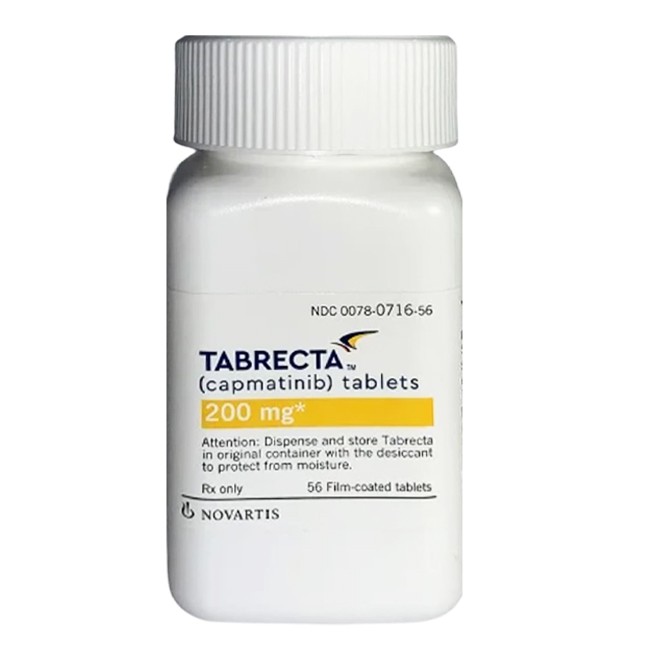


While effectively inhibiting tumors, capmatinib (Tabrecta) may induce a variety of adverse reactions.
I. Common Adverse Effects of Capmatinib
1. Adverse effects with an incidence rate ≥ 20%
The most frequent adverse effects include peripheral edema, nausea, musculoskeletal pain, fatigue, vomiting, dyspnea, cough, and decreased appetite.
2. Severe adverse effects requiring close attention
(1) Interstitial lung disease (ILD)/pneumonitis, hepatotoxicity, and pancreatic toxicity.
(2) Others: hypersensitivity reactions (fever, rash, hypotension), photosensitivity reaction, etc.
II. Interventions for Alleviating Adverse Effects
1. Edema (most common)
(1) Mild edema: Elevate lower extremities, restrict sodium intake, and wear loose-fitting shoes and socks.
(2) Moderate to severe edema: Diuretics may be administered for short-term use upon physician evaluation. The capmatinib dosage may be reduced from 400 mg twice daily to 300 mg twice daily. If intolerance persists, the dosage may be further reduced to 200 mg twice daily.
2. Nausea and Vomiting
(1) Preventive measures: Take the medication with a small amount of bland food (e.g., crackers, congee). Avoid high-fat and spicy foods.
(2) Pharmacological treatment: Physicians may prescribe antiemetics for prophylaxis. In cases of severe vomiting with inability to take oral medication, capmatinib treatment shall be suspended and medical consultation required.
3. Hepatotoxicity
(1) Monitoring requirements:
Test alanine transaminase (ALT), aspartate transaminase (AST), and total bilirubin prior to treatment, every 2 weeks during the first 3 months of treatment, and monthly thereafter.
(2) Management strategies:
Grade 3 elevated ALT/AST (without bilirubin elevation): Suspend capmatinib. Resume at the original dose if levels return to baseline within 7 days; otherwise, resume at a reduced dose.
Grade 4 elevation, or bilirubin ≥ 2 × upper limit of normal (ULN) accompanied by transaminases ≥ 3 × ULN: Permanent discontinuation of treatment.
4. Pancreatic Toxicity
(1) Monitoring requirements: Regular testing of serum amylase and lipase levels.
(2) Management strategies:
Grade 3 elevated amylase/lipase: Suspend capmatinib. Resume at a reduced dose if levels recover to ≤ Grade 2 within 14 days; otherwise, permanently discontinue treatment.
Confirmed pancreatitis (all grades): Permanent discontinuation of treatment.
5. Interstitial Lung Disease/Pneumonitis
(1) Clinical manifestations: New-onset or worsening dyspnea, dry cough, and fever.
(2) Management strategy: Permanent discontinuation of capmatinib for ILD/pneumonitis of any grade, with symptomatic treatment such as glucocorticoid therapy administered concurrently.
6. Fatigue and Musculoskeletal Pain
(1) Fatigue: Maintain regular daily routines, engage in mild physical activity (e.g., walking), and avoid prolonged bed rest. Adjust dosing time if necessary.
(2) Pain: Paracetamol or non-steroidal anti-inflammatory drugs (NSAIDs) may be used, provided no contraindications of hepatic or renal dysfunction exist. Dosage reduction or treatment suspension is recommended for severe symptoms.
7. Prevention of Photosensitivity Reaction
Avoid prolonged sun exposure during treatment. Apply broad-spectrum sunscreen with SPF ≥ 30, and wear long-sleeved garments and wide-brimmed hats when outdoors.
III. Storage Conditions for Capmatinib
1. Original Bottle Storage
(1) Keep the medication in its original container; do not transfer to other vessels.
(2) Do not remove or consume the desiccant.
2. Temperature Requirements
Store at 20°C to 25°C. Permitted short-term temperature fluctuation ranges from 15°C to 30°C (room temperature storage). Do not freeze.
3. Moisture and Light Protection
(1) Keep the bottle tightly sealed in a dry location, away from humid environments such as bathrooms and kitchens.
(2) Avoid direct sunlight exposure.
4. Expiry Period
(1) Discard any unused medication within 6 weeks after first opening the bottle.
(2) It is recommended to mark the date of bottle opening on the container.
5. Special Precautions
(1) Do not store the drug in locations with large temperature fluctuations, such as inside vehicles or on window sills.
(2) Dispose of expired or unused medications via hospital pharmacies or community pharmaceutical recycling stations. Do not flush them down drains.