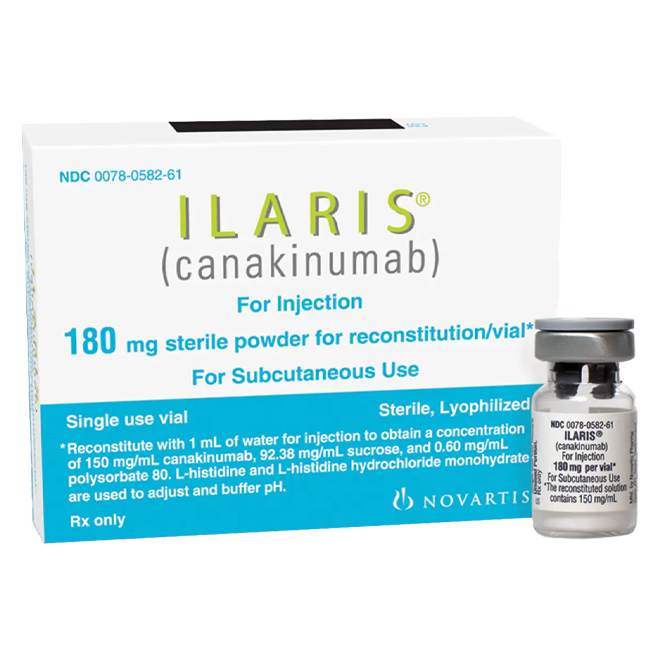


Canakinumab (Ilaris) is a monoclonal antibody drug indicated for the treatment of various autoinflammatory diseases, exerting its therapeutic effects by inhibiting interleukin-1β (IL-1β). Despite its significant efficacy, like other biological agents, its administration is associated with a series of known adverse effects and risks.
Adverse Effects of Canakinumab (Ilaris)
Cryopyrin-Associated Periodic Syndromes (CAPS)
Infection-related: Nasopharyngitis, influenza, rhinitis, bronchitis, pharyngitis, gastroenteritis.
Others: Diarrhea, nausea, headache, weight gain, musculoskeletal pain, dizziness.
Other Periodic Fever Syndromes (TRAPS, HIDS/MKD, FMF)
When used in the treatment of Tumor Necrosis Factor Receptor-Associated Periodic Syndrome (TRAPS), Hyperimmunoglobulin D Syndrome/Mevalonate Kinase Deficiency (HIDS/MKD), and Familial Mediterranean Fever (FMF).
The most common adverse reactions (>10%) are injection site reactions and nasopharyngitis.
Still’s Disease (AOSD and SJIA)
When used in the treatment of Adult-Onset Still’s Disease (AOSD) and Systemic Juvenile Idiopathic Arthritis (SJIA).
The most common adverse drug reactions (>10%) are infections (e.g., nasopharyngitis and upper respiratory tract infections), abdominal pain, and injection site reactions.
Severe Adverse Effects of Canakinumab (Ilaris)
Risk of Severe Infections
Canakinumab suppresses the immune system, significantly increasing the risk of developing severe infections.
Such infections may include pneumonia, cellulitis, herpes zoster, and even uncommon opportunistic infections (e.g., aspergillosis, atypical mycobacterial infections).
Prior to the initiation of treatment, patients’ infection status and potential risks (e.g., latent tuberculosis) should be evaluated.
Close monitoring for signs of infection is required during treatment. Administration of canakinumab should be avoided in patients with active infections requiring medical intervention.
In the event of a severe infection, canakinumab must be discontinued immediately, and anti-infective treatment should be initiated promptly.
Hypersensitivity Reactions and DRESS Syndrome
Risk Overview: Although anaphylactic shock was not reported in clinical trials, hypersensitivity reactions may still occur with canakinumab use.
Patients with autoinflammatory diseases receiving canakinumab treatment may develop Drug Reaction with Eosinophilia and Systemic Symptoms (DRESS), which is a severe cutaneous adverse reaction.
In case of severe hypersensitivity reactions (e.g., dyspnea, laryngeal edema, severe skin rashes) or suspected DRESS syndrome, canakinumab should be permanently discontinued immediately, and emergency treatment and monitoring should be implemented until symptoms resolve completely.
Macrophage Activation Syndrome (MAS)
Macrophage Activation Syndrome (MAS) is a life-threatening condition that may occur in patients with rheumatic diseases, particularly those with Still’s disease. Infections or exacerbation of Still’s disease are known precipitating factors.
Physicians should remain vigilant for signs of infection or worsening of Still’s disease symptoms.
Precautions for Canakinumab (Ilaris)
Infection Screening and Management
Pre-treatment Screening: Before initiating treatment, patients should be assessed for active and latent tuberculosis infections, and screening for other relevant infections should be considered.
Active Infections: Patients with active infections requiring medical intervention (including chronic infections such as HIV, hepatitis B, or hepatitis C) should not start canakinumab treatment.
Vaccination
Avoid Live Vaccines: Live vaccine administration should be avoided during canakinumab treatment and for a certain period after treatment completion, as the drug may interfere with immune responses.
Vaccination Timing: It is recommended that all recommended vaccinations (e.g., pneumococcal vaccine, inactivated influenza vaccine) be completed as much as possible in accordance with current immunization guidelines prior to the initiation of canakinumab treatment.
Drug Interactions
Avoid Combination Therapy: Concurrent use of canakinumab with tumor necrosis factor (TNF) inhibitors (e.g., etanercept, adalimumab) is prohibited, as this combination significantly increases the risk of severe infections and neutropenia.
Not Recommended for Combination Use: Concurrent administration with other IL-1 blockers (e.g., anakinra, rilonacept) is also not recommended due to the potential risk of pharmacologic interactions.