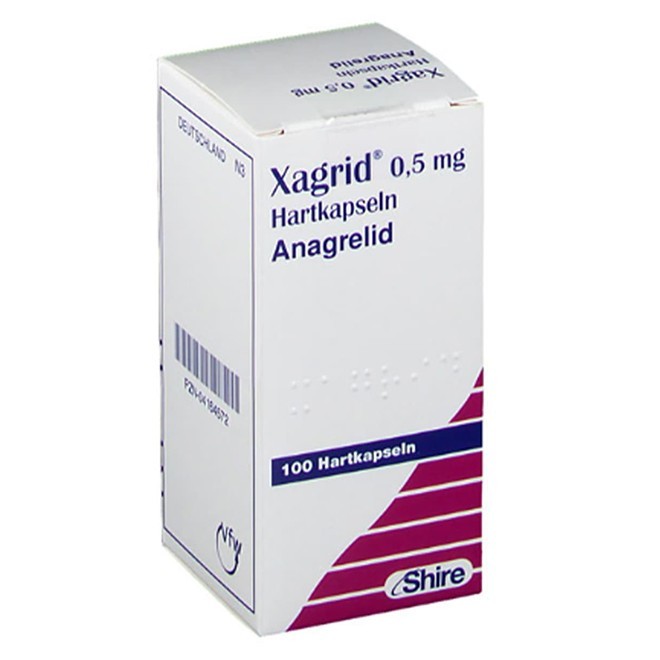


Anagrelide (Agrylin) is a prescription medication indicated for the treatment of thrombocythemia secondary to myeloproliferative neoplasms. It reduces the risk of thrombosis by lowering platelet counts. To ensure optimal therapeutic efficacy, the following precautions and monitoring requirements must be strictly adhered to.
What are the Precautions for Anagrelide (Agrylin) Administration?
Cardiovascular Risk Monitoring
QT Interval Prolongation and Arrhythmias:Anagrelide may induce QT interval prolongation and ventricular tachycardia. An electrocardiogram (ECG) should be performed prior to initiation of treatment, and close monitoring of cardiovascular responses is required during therapy.
Dose Adjustment:Patients with moderate to severe hepatic impairment require dose reduction (initial dose: 0.5 mg/day). The use of anagrelide is contraindicated in patients with severe hepatic impairment.
Bleeding Risk and Drug Interactions
Concomitant Use with Antiplatelet Agents:Combination therapy with aspirin or other anticoagulants may increase bleeding risk, necessitating a careful assessment of the potential benefits versus risks.
Contraindication with PDE3 Inhibitors:Co-administration with phosphodiesterase 3 (PDE3) inhibitors such as cilostazol should be avoided, as this may exacerbate cardiovascular toxicity.
Administration in Special Populations
Pregnant and Lactating Women:The potential benefits and risks must be carefully weighed before prescribing anagrelide to pregnant women. The drug is contraindicated during lactation.
Pediatric and Geriatric Patients:The initial dose for pediatric patients is 0.5 mg/day. No dose adjustment is required for geriatric patients, but close monitoring is essential.
Monitoring Requirements for Anagrelide (Agrylin) Administration
Platelet Count Monitoring
Initial Phase:Platelet counts should be measured every 2 days during the first week of treatment, then once weekly until the dose is stabilized.
Target Range:Platelet counts should be maintained within the range of 150,000–400,000/µL, and values below 60,000/µL should be avoided.
Liver Function and Electrocardiogram Monitoring
Liver Function:Patients with moderate to severe hepatic impairment need frequent monitoring of liver function and cardiovascular events.
Electrocardiogram:QT interval should be assessed regularly before and during treatment, especially in patients with a history of heart disease.
Adverse Reaction Surveillance
Common Reactions:Headache, palpitations, and diarrhea are common adverse reactions with an incidence rate of ≥5%, and symptomatic management should be provided as needed.
Severe Reactions:In case of severe adverse events such as chest pain, dyspnea, or severe bleeding, treatment should be discontinued immediately and medical attention should be sought without delay.
Key Patient Education Points
Dose Adherence:Dose adjustments must be made strictly in accordance with the physician’s instructions; patients must not discontinue the drug or increase the dose without authorization.
Symptom Recognition:Patients should be educated to recognize warning signs such as palpitations and abnormal bleeding.
Prohibited Activities:Patients should avoid driving or operating machinery during treatment, as they need to be alert to side effects such as dizziness.