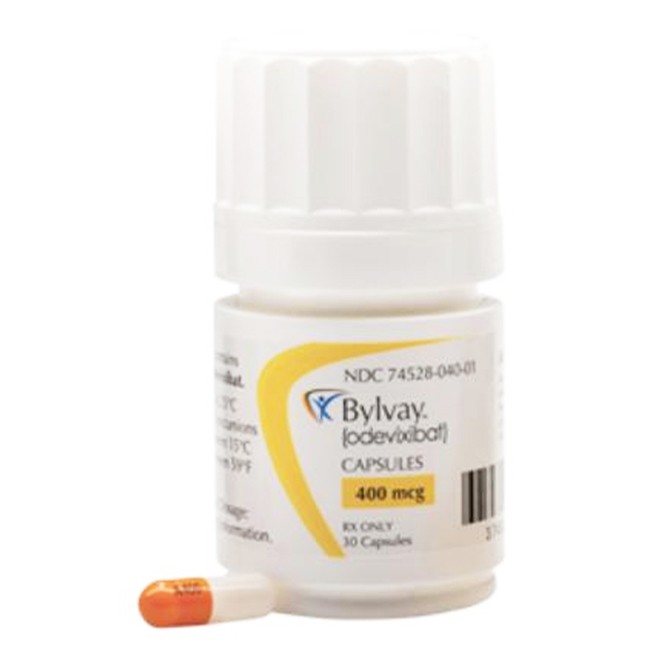


Odevixibat (Bylvay) is a medication indicated for the treatment of pruritus associated with progressive familial intrahepatic cholestasis (PFIC), in patients aged 3 months and older. It is an inhibitor of the ileal bile acid transporter (IBAT), which alleviates pruritus by reducing the reabsorption of bile acids.
Adverse Reactions of Odevixibat (Bylvay)
Abnormal Liver Function
Manifestations: Patients may experience elevations in alanine aminotransferase (ALT), aspartate aminotransferase (AST), total bilirubin (TB), or direct bilirubin (DB).
Management Recommendations: Baseline liver function should be tested before medication initiation, and regular monitoring is required during treatment. Dose reduction or temporary treatment suspension may be necessary if abnormalities occur; permanent discontinuation should be considered if abnormalities persist or recur.
Diarrhea
Incidence: Diarrhea is a relatively common gastrointestinal reaction in clinical trials.
Management Recommendations: If diarrhea occurs, fluid replacement should be administered promptly to prevent dehydration. For persistent diarrhea, treatment should be suspended. After symptom relief, treatment can be restarted at a low dose and adjusted according to the patient’s tolerance.
Fat-Soluble Vitamin Deficiency
Odevixibat may impair the absorption of fat-soluble vitamins (vitamins A, D, E, K), leading to or exacerbating their deficiency.
Recommendations: Serum vitamin levels should be monitored before and during treatment, and supplementation should be administered promptly if deficiency is detected.
Serious Adverse Reactions of Odevixibat (Bylvay)
Severe Liver Damage
In rare cases, significant elevations in liver enzymes or hepatic decompensation events such as ascites, hepatic encephalopathy, and variceal bleeding may occur.
Management Principles: Treatment should be discontinued immediately and permanently if signs of liver injury or hepatic decompensation appear.
Persistent Diarrhea and Dehydration
Severe and persistent diarrhea may lead to dehydration and electrolyte imbalance, with a higher risk particularly in pediatric patients.
Interventions: Closely monitor the patient’s hydration status; suspend treatment and provide supportive care if necessary.
Severe Fat-Soluble Vitamin Deficiency
Long-term deficiency may result in growth retardation, coagulation dysfunction (due to vitamin K deficiency), and skeletal health issues.
Recommendations: Monitor vitamin levels regularly and supplement the corresponding vitamins; if deficiency persists despite supplementation, treatment discontinuation should be considered.
Precautions for Odevixibat (Bylvay) Administration
Administration Method
Oral granules should be mixed with soft foods (such as jam, oatmeal, mashed bananas, etc.) and must not be mixed with liquids.
Capsules should be swallowed whole and must not be chewed. If swallowing the capsule is not feasible, the capsule can be opened and the contents mixed with soft food.
Monitoring Requirements
Liver Function: Monitor indicators such as ALT, AST, and bilirubin before, during, and after treatment.
Fat-Soluble Vitamin Levels: Test baseline levels and conduct regular checks of vitamins A, D, E, and the international normalized ratio (INR, which reflects vitamin K status).
Clinical Symptoms: Be alert for signs of liver injury, including jaundice, darkening of urine, abdominal pain, and decreased appetite.