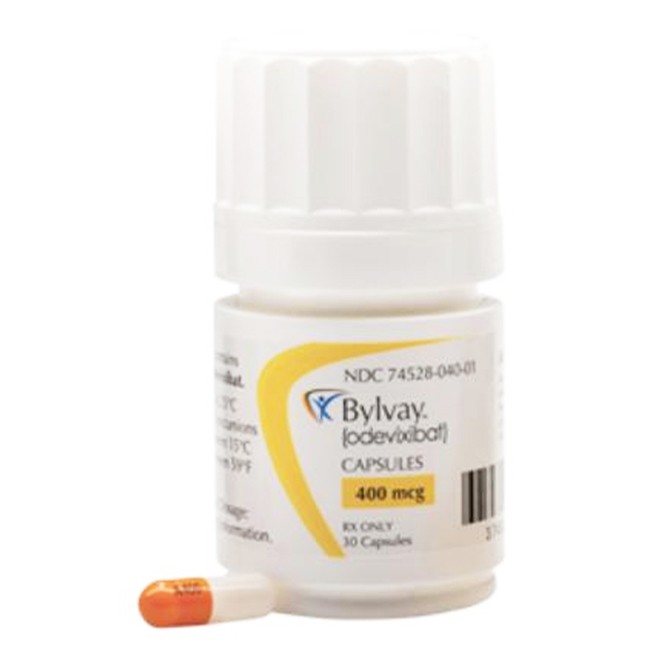


Odevixibat (Bylvay) is an oral inhibitor of the ileal bile acid transporter (IBAT), indicated for the treatment of pruritus in patients aged 3 months and older with progressive familial intrahepatic cholestasis (PFIC).
What are the Precautions for Odevixibat (Bylvay) Administration?
Population Applicability and Limitations
Odevixibat is primarily used for treating pruritus caused by PFIC, but attention should be paid to its usage limitations.
In patients with PFIC type 2, if the ABCB11 gene variation results in non-functional or complete absence of the bile salt export pump protein (BSEP-3), odevixibat may be ineffective.
Sufficient studies of this drug have not been conducted in patients with liver cirrhosis. Caution should be exercised when using it in patients with existing portal hypertension or hepatic decompensation.
Drug Interactions
If patients are concurrently using bile acid sequestrants (such as cholestyramine, colesevelam, colestipol), these sequestrants must be taken at least 4 hours before or 4 hours after odevixibat administration.
This is because the latter may bind to odevixibat and reduce its efficacy.
Medication Monitoring for Odevixibat (Bylvay)
Liver Function Monitoring
Patients with PFIC often have inherent liver function abnormalities, and elevations in liver enzymes or bilirubin levels may occur during odevixibat treatment.
A baseline of liver function parameters should be established before medication initiation, and indicators including alanine aminotransferase (ALT), aspartate aminotransferase (AST), total bilirubin (TB), direct bilirubin (DB), and international normalized ratio (INR) should be monitored regularly during treatment.
If significant liver enzyme elevations or hepatitis-related symptoms occur, treatment suspension should be considered. After the indicators return to normal or stabilize, treatment may be restarted at the lowest dose and gradually adjusted.
In the event of hepatic decompensation (such as variceal bleeding, ascites, hepatic encephalopathy, etc.), permanent discontinuation of the drug is required.
Gastrointestinal Reaction Monitoring
Diarrhea is a relatively common adverse reaction of this drug, and some patients may need to discontinue treatment.
If persistent diarrhea occurs during medication, attention should be paid to monitoring for signs of dehydration, fluid replacement should be administered promptly, and dose adjustment or treatment suspension should be considered.
If diarrhea persists without other identifiable causes, odevixibat should be discontinued.