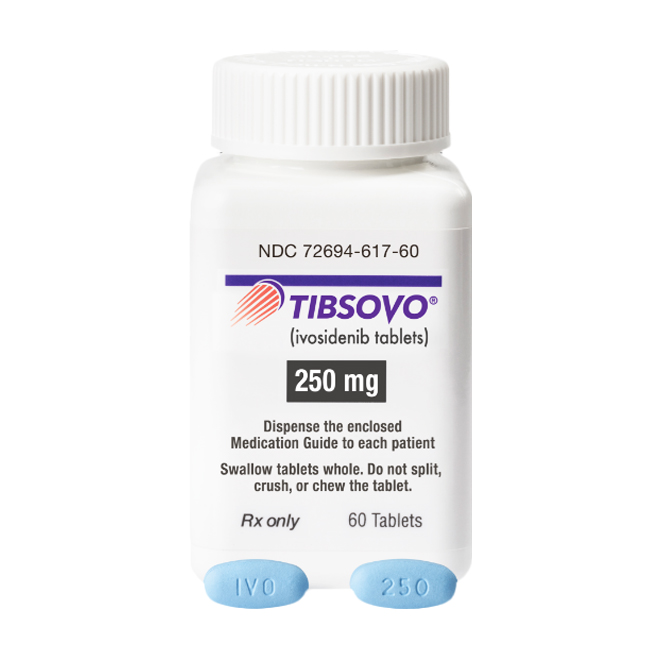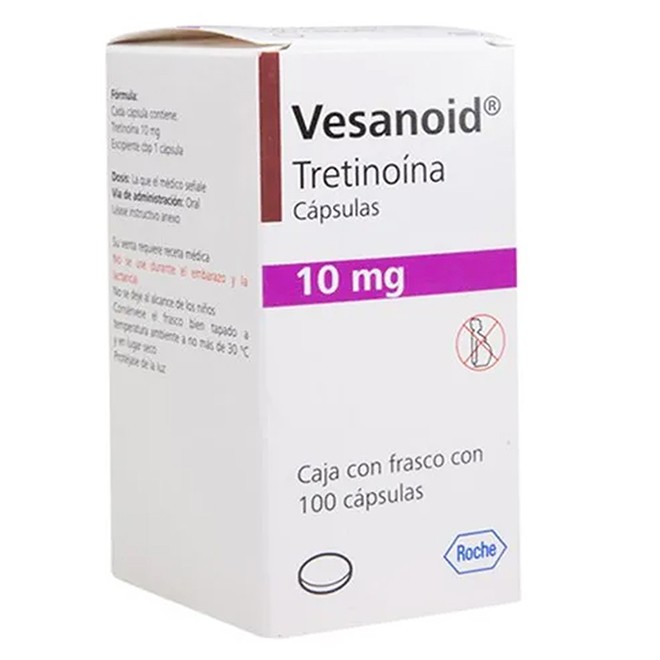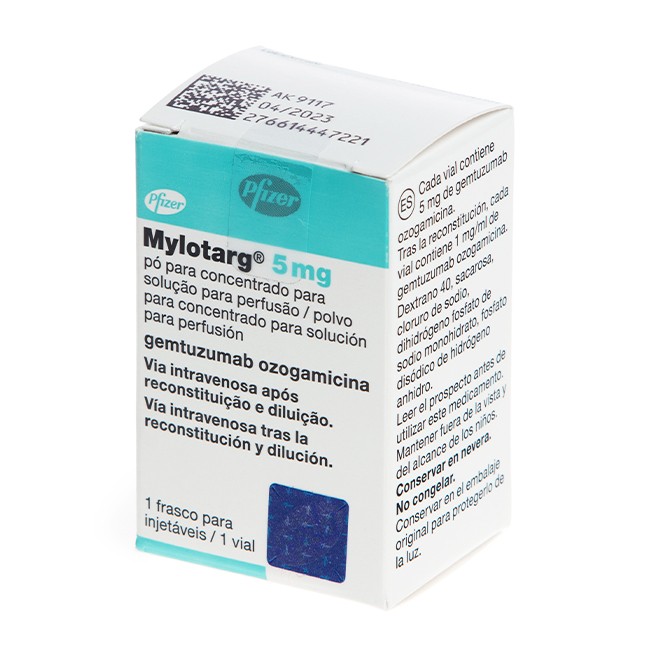


Ivosidenib (Tibsovo) is a targeted therapy medication primarily indicated for the treatment of patients with malignant hematologic diseases harboring specific gene mutations.
What Are the Precautions for Using Ivosidenib (Tibsovo)?
Confirmation via Genetic Testing
Treatment with ivosidenib must be initiated only after confirmation of an IDH1 mutation in the patient using an FDA-approved testing method.
The confirmation procedure should be performed in a standardized manner.
Management of Drug Interactions
During co-administration with strong or moderate CYP3A4 inhibitors, the dose of ivosidenib must be reduced to 250 mg once daily.
If a significant decrease in blood cell counts occurs following treatment with azacitidine, dose adjustment should be performed in accordance with clinical guidelines.
Food Interactions
Intake of high-fat diets should be avoided during the medication period.
A typical high-fat diet includes two butter-fried eggs, two strips of bacon, two slices of white bread with butter, one croissant with a slice of cheese, and 8 ounces of whole milk (containing approximately 1,000 calories and 58 grams of fat).
Differentiation Syndrome
Differentiation syndrome is one of the most common severe adverse reactions during ivosidenib treatment.
This syndrome usually manifests in the early stage of treatment, which may occur as early as the first day after administration, and can persist within the first three months of treatment.
Focused monitoring is required for: fever.
Respiratory symptoms: cough, dyspnea.
Cardiovascular manifestations: hypotension, tachycardia.
QTc Interval Prolongation
Ivosidenib may cause prolongation of the QTc interval on electrocardiogram, increasing the risk of arrhythmias.
A baseline electrocardiogram should be completed prior to the initiation of treatment.
Electrocardiogram monitoring should be performed at least once a week during treatment.
Regular monitoring of electrolyte levels is required.
Gastrointestinal Adverse Reactions
Diarrhea: incidence rate ranges from 35% to 61%.
Nausea: incidence rate ranges from 31% to 41%.
Abdominal pain: incidence rate ranges from 16% to 35%.
Neurological Abnormalities
Guillain-Barré syndrome.
Headache.
Peripheral neuropathy.
Hepatobiliary System Abnormalities
Increased bilirubin levels: incidence rate ranges from 10% to 30%.
Elevated liver enzymes: close monitoring is required.
Medication Monitoring for Ivosidenib (Tibsovo)
Electrocardiogram Monitoring
All patients should undergo an electrocardiogram prior to treatment initiation to rule out potential risk factors for QTc interval prolongation.
Early Treatment Monitoring
Blood cell counts: white blood cells, hemoglobin, platelets.
Liver function: alkaline phosphatase, transaminases.
Renal function: serum creatinine levels.