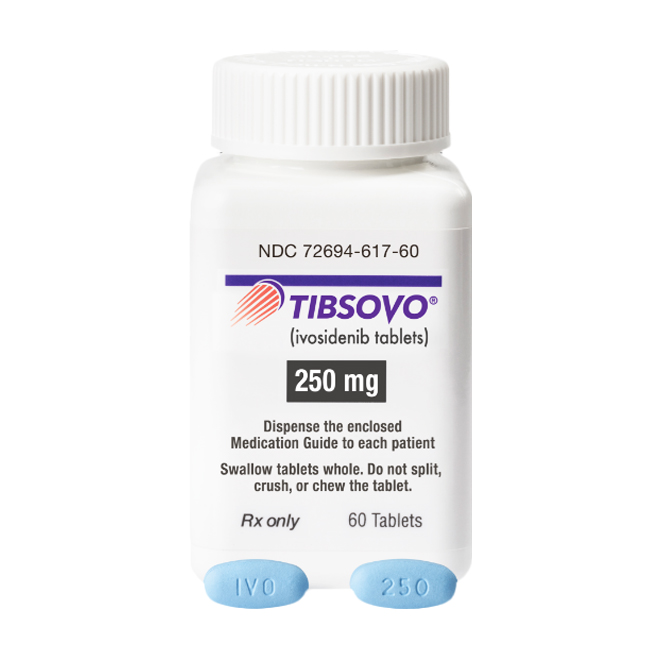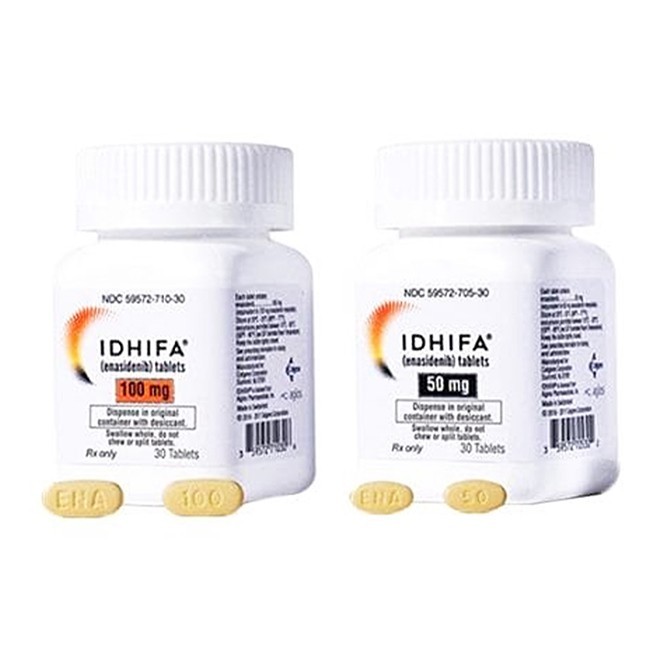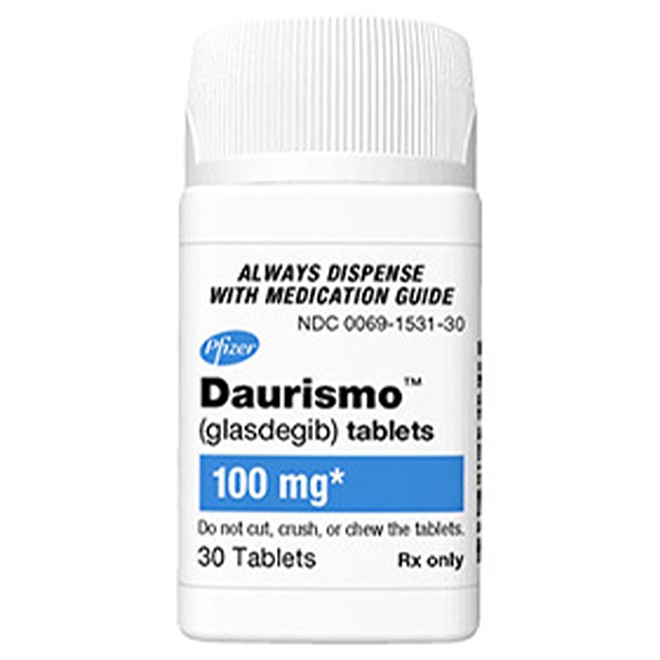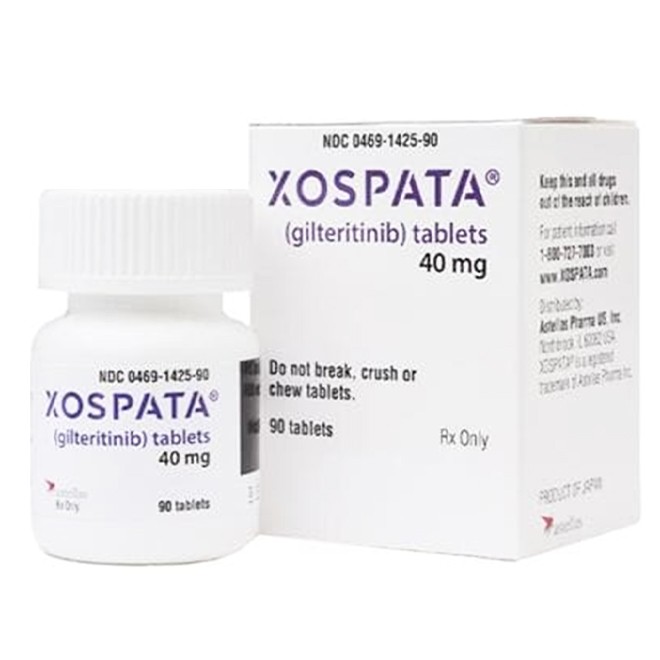


Ivosidenib (Tibsovo) is a targeted isocitrate dehydrogenase 1 (IDH1) inhibitor that demonstrates significant value in the treatment of malignant tumors with specific gene mutations.
Dosage and Administration, Recommended Dosage of Ivosidenib (Tibsovo)
Recommended Dosage and Administration Method
The standard dosing regimen of ivosidenib is 500 mg orally once daily, continued until disease progression or unacceptable toxicity occurs.
Administration is not restricted by food intake, but concurrent use with high-fat meals should be avoided.
Key Administration Principles
Swallow the tablets whole; do not split, crush, or chew under any circumstances.
Take the medication at a fixed time every day to maintain a stable plasma drug concentration.
If vomiting occurs after administration, no additional dose is needed; resume the regular dosing schedule at the next scheduled time.
Dose Adjustment of Ivosidenib (Tibsovo)
Differentiation Syndrome
Once suspected, initiate corticosteroid therapy immediately.
If severe symptoms persist within 48 hours, discontinue ivosidenib temporarily and resume treatment when symptoms improve to Grade 2 or lower.
Management of QTc Interval Prolongation
QTc interval ≥ 480 ms: Discontinue medication immediately.
QTc interval ≥ 500 ms: When resuming treatment, reduce the dose to 250 mg once daily.
Monitoring of Laboratory Abnormalities
Focus on monitoring changes in indicators such as decreased hemoglobin, hyponatremia, and elevated alkaline phosphatase.
For Grade 3 or higher adverse reactions, discontinue medication temporarily for the first occurrence until symptoms resolve to Grade 2 or lower, then resume treatment at 250 mg once daily.
Permanent discontinuation is required if the adverse reaction recurs.
Use in Special Populations of Ivosidenib (Tibsovo)
Patients with Hepatic Impairment
Mild to moderate impairment (Child-Pugh A or B): No adjustment of the starting dose is required.
Severe impairment (Child-Pugh C): The safety and pharmacokinetics have not been clearly established; a careful risk-benefit assessment is needed.
Patients with Renal Impairment
Mild to moderate impairment (eGFR ≥ 30 mL/min/1.73 m²): The standard dose is applicable.
Severe impairment (eGFR < 30 mL/min/1.73 m²) or patients requiring dialysis: The risk of medication use is unknown; individualized decision-making is required.
Geriatric Patients
In patients aged ≥ 65 years, age-related decline in physiological functions may lead to increased drug exposure. It is recommended to monitor electrocardiograms and electrolytes more frequently.
Pregnancy and Lactation Management
Based on embryo-fetal toxicity observed in animal studies, ivosidenib may cause fetal harm.
Lactating women should discontinue breastfeeding during treatment and for 1 month after the last dose.