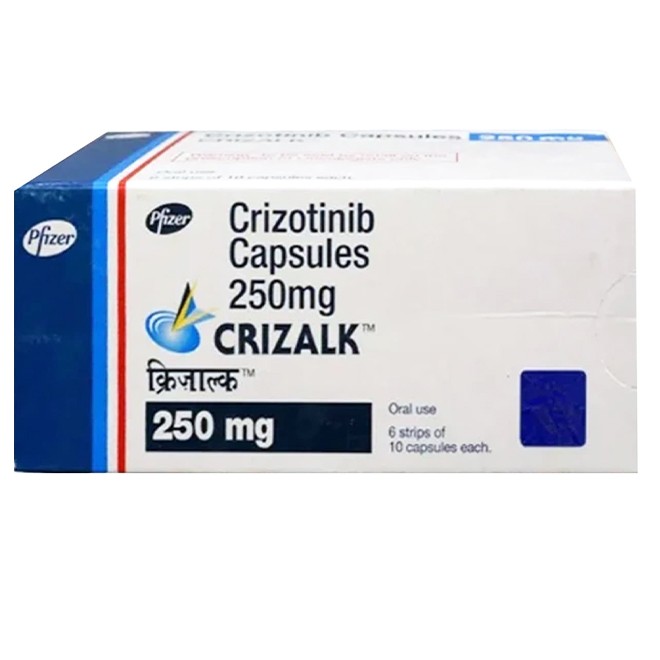


Crizotinib is a tyrosine kinase inhibitor primarily used for the treatment of ALK- or ROS1-positive metastatic non-small cell lung cancer (NSCLC), relapsed or refractory systemic ALK-positive anaplastic large cell lymphoma (ALCL), and unresectable, relapsed, or refractory ALK-positive inflammatory myofibroblastic tumors (IMTs).
What Are the Medication Precautions for Crizotinib?
Strict Patient Screening Requirements
Patients must confirm that their tumors are ALK- or ROS1-positive using FDA-approved detection methods before starting medication.
For patients with metastatic non-small cell lung cancer, patient selection should be based on the presence of ALK or ROS1 positivity in tumor specimens before initiating XALKORI treatment.
Medication Restrictions for Special Populations
The efficacy of crizotinib in elderly patients with relapsed or refractory systemic ALK-positive ALCL has not been established.
Among patients aged 1 to ≤21 years with relapsed or refractory tumors (including ALCL and IMT), those with central nervous system (CNS) tumors need to be excluded.
Adult Medication Regimen
For patients with metastatic NSCLC, the recommended dose is 250 mg taken orally twice daily, with or without food, until disease progression or unacceptable toxicity occurs.
Pediatric and Young Adult Administration
For pediatric patients with ALCL and IMT, the recommended dose is calculated based on body surface area (BSA).
For pediatric patients with a body surface area of 0.38 to 0.46 m², the recommended dose is 120 mg twice daily. When using oral granules, the dose requires a combination of 1 granule of 20 mg and 2 granules of 50 mg.
Medication Monitoring for Crizotinib
Hepatotoxicity Monitoring Requirements
Fatal drug-induced hepatotoxicity has occurred in patients receiving crizotinib.
Among NSCLC patients treated with crizotinib, the incidence of drug-induced hepatotoxicity is 0.1%.
Cases where ALT or AST ≥ 3 times the upper limit of normal (ULN) with total bilirubin ≥ 2 times ULN and normal alkaline phosphatase occur in <1% of crizotinib-treated patients; separately, 11% and 6% of patients experience ALT or AST elevations > 5 times ULN.
1% of patients require permanent discontinuation of treatment due to transaminase elevations. Transaminase elevations typically occur within the first 2 months of treatment.
Interstitial Lung Disease (ILD)/Pneumonitis Monitoring
Severe, life-threatening, or fatal interstitial lung disease/pneumonitis may occur in patients receiving crizotinib treatment.
Among NSCLC patients, the incidence of interstitial lung disease is 2.9%, of which 1% is grade 3 or 4 interstitial lung disease, and 0.5% is fatal interstitial lung disease.
Interstitial lung disease/pneumonitis generally occurs within 3 months of initiating crizotinib treatment.
Standards for Routine Monitoring Items
During treatment, liver function tests (including ALT, AST, and total bilirubin) need to be monitored—once every 2 weeks for the first 2 months of treatment, then once monthly thereafter. More frequent repeat tests should be conducted based on clinical needs.
Hematological Monitoring Requirements
Complete blood counts (including differential counts) should be monitored once weekly during the first month of treatment, then at least once monthly. More frequent monitoring is required if grade 3 or 4 abnormalities, fever, or infection occur.