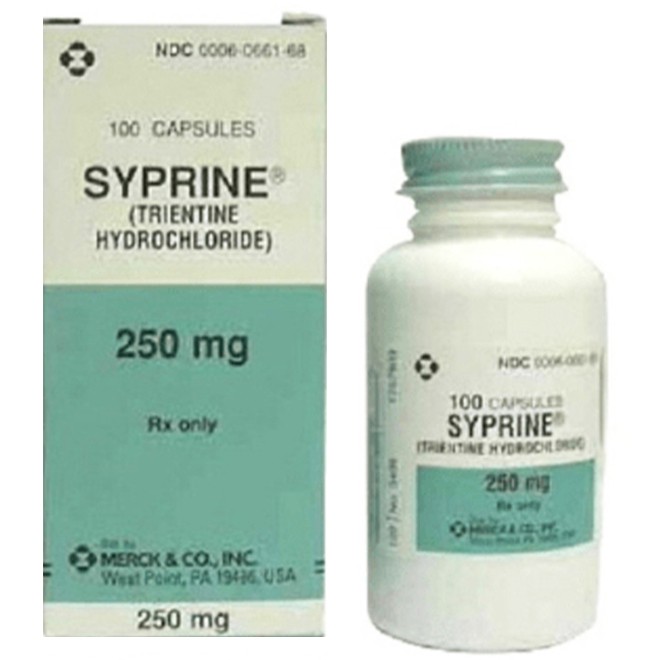


All medications may be associated with adverse reactions, and trientine (CUVRIOR) is no exception. Understanding its common side effects, mastering mitigation strategies, and storing the medication properly are essential for safe use.
I. What Are the Side Effects of Trientine (CUVRIOR)?
Common side effects (incidence >5%)
Abdominal pain, changes in bowel habits, rash, alopecia, mood swings.
Other noteworthy side effects
Anemia, iron deficiency, systemic lupus erythematosus.
Rare side effects identified in post-marketing surveillance
(1) Gastrointestinal: colitis.
(2) Musculoskeletal: muscle spasms, rhabdomyolysis.
(3) Neurological: dystonia, myasthenia gravis.
Severe risks requiring vigilance
(1) Worsening symptoms at treatment initiation: may include neurological deterioration (e.g., limb tremor, unsteady gait), caused by the drug mobilizing excess stored copper in the body.
(2) Copper deficiency: long-term use may lead to copper deficiency, presenting as anemia, leukopenia, and decreased bone mineral density.
(3) Iron deficiency: the drug can chelate iron, resulting in iron-deficiency anemia.
II. Methods to Alleviate Side Effects of Trientine
Management of worsening symptoms at treatment initiation
(1) If neurological or hepatic deterioration occurs, inform a doctor immediately.
(2) The physician may adjust the dosage or temporarily discontinue treatment; self-management is not recommended.
(3) Monitor serum non-ceruloplasmin copper levels 3 months after treatment initiation and every 6 months thereafter to guide dosage adjustments.
Management of copper or iron deficiency
(1) Regular monitoring: serum non-ceruloplasmin copper at treatment start, 3 months later, and every 6 months thereafter; 24-hour urinary copper excretion every 6–12 months.
(2) Iron supplementation: if iron deficiency is confirmed, short-term iron supplementation may be administered under medical supervision. Iron supplements must be taken at least 2 hours apart from CUVRIOR (either before or after the drug).
(3) Copper supplementation: oral copper supplementation is generally not recommended, as it may counteract therapeutic effects; in cases of severe copper deficiency, the physician will evaluate and adjust the CUVRIOR dosage.
Management of allergic reactions such as rash
(1) Inform a doctor upon developing a rash for severity assessment.
(2) Mild rashes may be managed symptomatically (topical corticosteroids, oral antihistamines) with close monitoring for progression.
(3) If the rash persists or worsens, discontinuation of the drug may be considered by the physician (precedents exist in clinical trials).
Relief of gastrointestinal discomfort
(1) Strict administration on an empty stomach (1 hour before meals or 2 hours after meals) may reduce gastrointestinal irritation.
(2) Abdominal pain, constipation or loose stools are usually transient and tend to improve with continued treatment.
(3) If symptoms are significant, consult a physician regarding possible adjustments to dosing time or symptomatic treatment.
Management of mood swings
(1) Inform family members or caregivers to obtain understanding and support.
(2) If mood swings severely impact daily life, seek timely follow-up to rule out other causes.
III. Storage Conditions for Trientine
Temperature requirements
(1) Store at room temperature between 20°C and 25°C; short-term fluctuations between 15°C and 30°C are permitted (in accordance with USP Controlled Room Temperature standards).
(2) Do not freeze; avoid exposure to high temperatures (e.g., inside a car in summer).
Packaging and handling
(1) Blister packaging: remove tablets from the blister immediately before use; do not remove and store in advance.
(2) Do not store split tablets: tablets should be taken immediately after removal from the blister; even half a tablet should not be retained.
(3) Full carton storage: unopened small cartons may be kept in their original packaging.
Moisture and light protection
(1) The original packaging is moisture-resistant; no additional repackaging is required.
(2) Avoid storage in humid environments such as bathrooms or kitchens.
(3) Protect from direct sunlight.
Expiry date and disposal
(1) Adhere to the expiry date printed on the packaging; expired medication must not be used.
(2) Expired or unused medication should be disposed of through official channels (e.g., hospital pharmacy take-back programs) and must not be discarded arbitrarily.