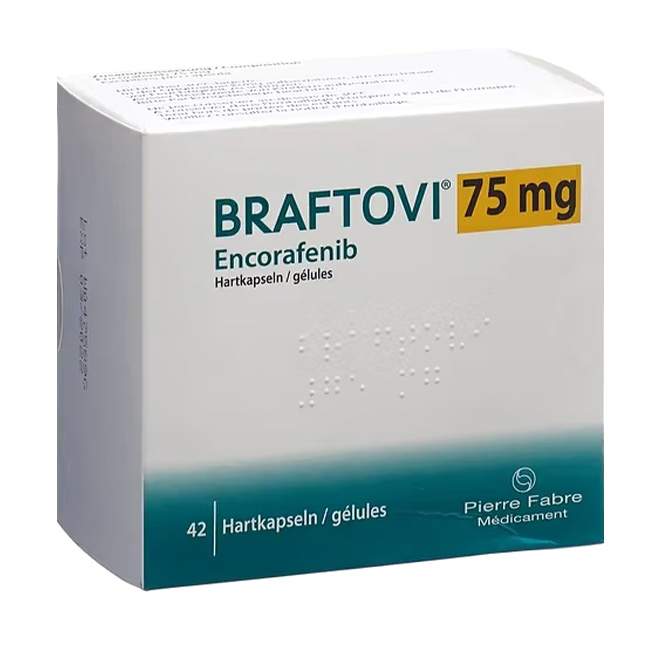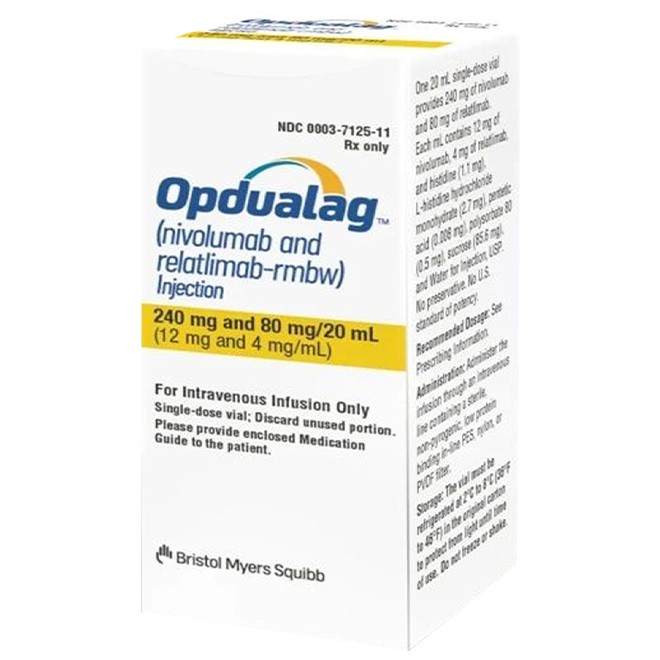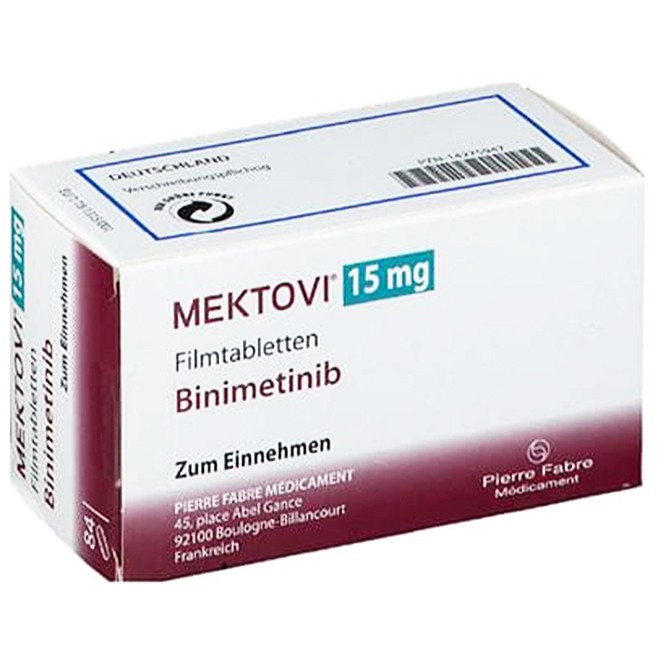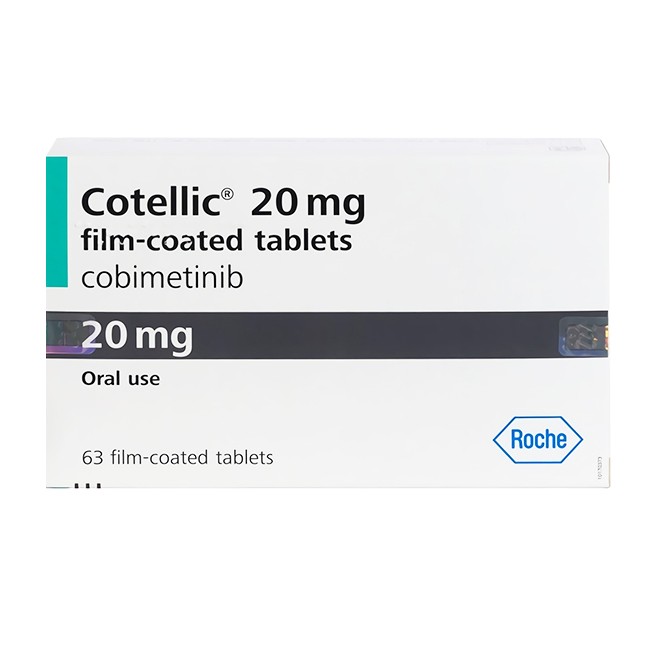


Encorafenib (Braftovi) is a kinase inhibitor indicated for use in combination with specific drugs to treat unresectable or metastatic melanoma harboring BRAF V600E or V600K mutations, metastatic colorectal cancer (mCRC) with BRAF V600E mutation, as well as metastatic non-small cell lung cancer (NSCLC).
Dosage and Administration of Encorafenib (Braftovi)
For Melanoma and Non-Small Cell Lung Cancer (NSCLC)
Applicable to patients with unresectable or metastatic melanoma harboring BRAF V600E or V600K mutations, and those with metastatic NSCLC positive for BRAF V600E mutation.
The recommended dose of encorafenib is 450 mg orally once daily (equivalent to 6 capsules of 75 mg each).
This regimen should be administered in combination with binimetinib until disease progression or unacceptable toxicity occurs.
For Colorectal Cancer (CRC)
When used in combination with cetuximab and the mFOLFOX6 chemotherapy regimen, the recommended dose of encorafenib is 300 mg orally once daily (equivalent to 4 capsules of 75 mg each).
When combined with cetuximab for adult patients who have received prior treatment, the recommended dose of encorafenib is also 300 mg orally once daily.
General Administration Instructions
Encorafenib may be taken with or without food, and should be administered at approximately the same time each day.
If a dose is missed, take the missed dose as soon as it is remembered, unless the next scheduled dose is due within 12 hours. In that case, skip the missed dose and resume the regular dosing schedule. Do not take a double dose to make up for a missed one.
If vomiting occurs after taking a dose, do not take an extra dose. Continue with the next scheduled dose as planned.
Dose Modification of Encorafenib (Braftovi)
For Melanoma and NSCLC
If binimetinib needs to be interrupted due to adverse reactions, temporarily reduce the dose of encorafenib to 300 mg once daily (4 capsules) until binimetinib can be resumed.
If adverse reactions are attributable to encorafenib itself, the first dose reduction can be to 300 mg once daily, and the second dose reduction to 225 mg once daily (3 capsules).
If the 225 mg once daily dose is not tolerable, permanent discontinuation of encorafenib is required.
For Colorectal Cancer
If dose adjustment is needed due to adverse reactions, the first reduction of encorafenib can be to 225 mg once daily, and the second reduction to 150 mg once daily (2 capsules).
If the 150 mg once daily dose is not tolerable, permanent discontinuation is required.
If cetuximab in the combination regimen is permanently discontinued, encorafenib should also be discontinued concomitantly.
Use in Special Populations
Hepatic Impairment
No dose adjustment is required for patients with mild hepatic impairment (Child-Pugh Class A).
The recommended dose has not been established for patients with moderate (Child-Pugh Class B) or severe (Child-Pugh Class C) hepatic impairment, and cautious use is required.
Renal Impairment
No dose adjustment is required for patients with mild to moderate renal impairment (creatinine clearance [CLcr] 30 to < 90 mL/min).
The recommended dose has not been established for patients with severe renal impairment (CLcr < 30 mL/min).
Pregnancy
Based on its mechanism of action, encorafenib may cause fetal harm. Encorafenib is contraindicated in pregnant women.
Verify the pregnancy status of females of reproductive potential prior to the initiation of treatment.
Lactation
It is unknown whether encorafenib is excreted in human milk.
Due to the potential for serious adverse reactions in breastfed infants, advise females not to breastfeed during treatment and for 2 weeks after the last dose of encorafenib.