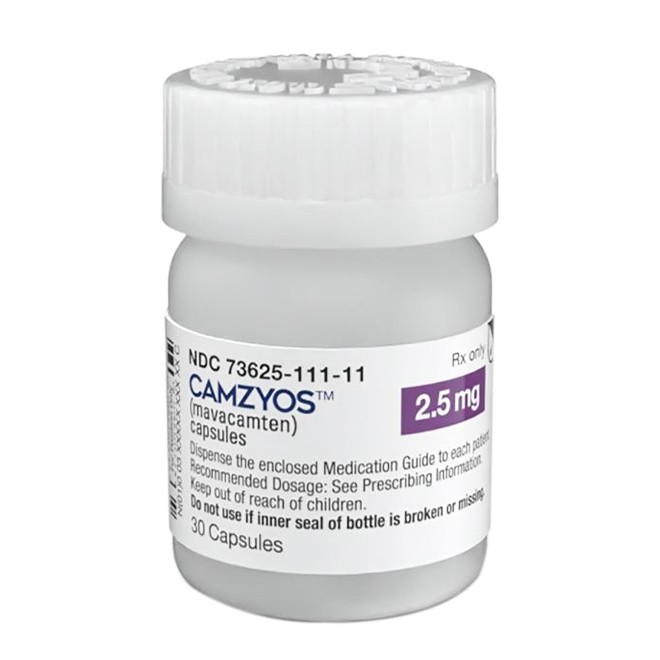


Mavacamten (Camzyos) is a medication indicated for the treatment of adult patients with symptomatic obstructive hypertrophic cardiomyopathy (HCM). As a drug with a unique mechanism of action, mavacamten delivers therapeutic effects while also posing a series of side effects that require high vigilance and complex precautions for administration.
Side Effects of Mavacamten (Camzyos)
Risk of Heart Failure
Mechanism of Action: Mavacamten alleviates left ventricular outflow tract obstruction by inhibiting myocardial contractility, but this may simultaneously cause a reduction in cardiac systolic function, triggering or exacerbating heart failure.
Main Manifestations: Patients may experience new or worsening symptoms such as shortness of breath, chest pain, fatigue, palpitations, leg edema, or rapid weight gain.
Key Monitoring: Before initiating treatment and during the course of therapy, left ventricular ejection fraction (LVEF) must be regularly assessed via echocardiography for patients taking mavacamten.
Contraindications for Initial Treatment: Mavacamten is not recommended for patients with an LVEF < 55% to start treatment.
Criteria for Treatment Discontinuation: During treatment, if LVEF drops to < 50%, or if the patient develops heart failure symptoms or experiences clinical deterioration, treatment must be discontinued immediately.
High-risk Conditions: Patients with severe comorbidities (e.g., severe infections) or arrhythmias (e.g., atrial fibrillation) face a higher risk of developing systolic dysfunction and heart failure.
Syncope and Dizziness
Dizziness: The incidence rate is approximately 27%.
Syncope (Fainting): The incidence rate is approximately 6%.
Although these symptoms may be partially related to the HCM itself or hemodynamic changes, they require prompt attention and should be reported to the physician if they occur during mavacamten treatment.
Precautions for Administration of Mavacamten (Camzyos)
Drug Interactions
Increased Risk of Heart Failure: Concomitant use with certain drugs can cause an abnormal elevation in mavacamten plasma concentration, thereby increasing the risk of cardiac depression and heart failure.
Absolute Contraindications: Concomitant use with potent CYP2C19 inhibitors (e.g., certain antidepressants, antifungal drugs) and moderate-to-potent CYP2C19 or CYP3A4 inducers is strictly prohibited.
Dose Adjustment and Close Monitoring Required: When used concomitantly with weak-to-moderate CYP2C19 inhibitors or moderate-to-potent CYP3A4 inhibitors (e.g., omeprazole, esomeprazole, certain antibiotics, diltiazem, verapamil, etc.), the dosage of mavacamten needs to be adjusted and monitoring should be intensified.
Loss of Therapeutic Efficacy: Concomitant use with certain drugs (e.g., rifampicin) can significantly reduce mavacamten plasma concentration, resulting in treatment failure.
Patient Instructions: Patients must inform their physician of all medications they are taking or plan to take, including prescription drugs, over-the-counter drugs (especially common gastric medications such as omeprazole), and dietary supplements.
Fetal and Reproductive Toxicity
Fetal Toxicity: Based on animal studies, mavacamten may cause fetal harm and birth defects.
Contraception Requirements: Females of reproductive potential must undergo a pregnancy test before starting treatment.
Effective contraceptive measures must be adopted during treatment and for 4 months after the last dose.