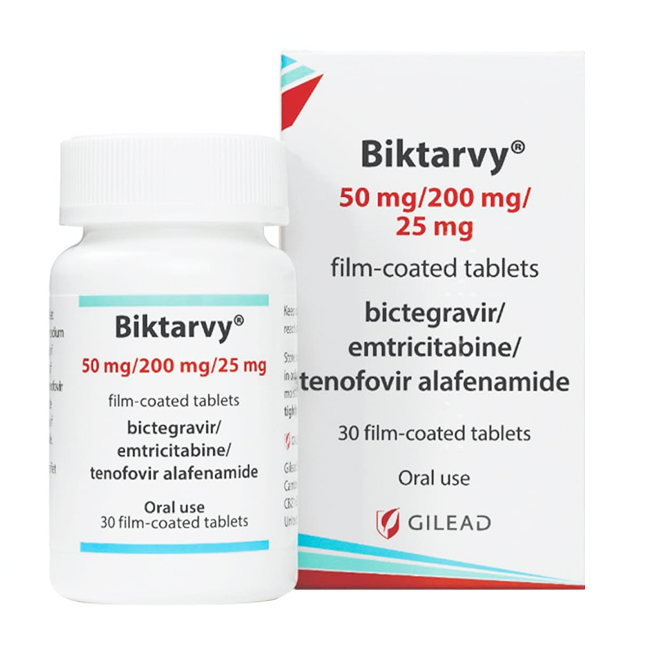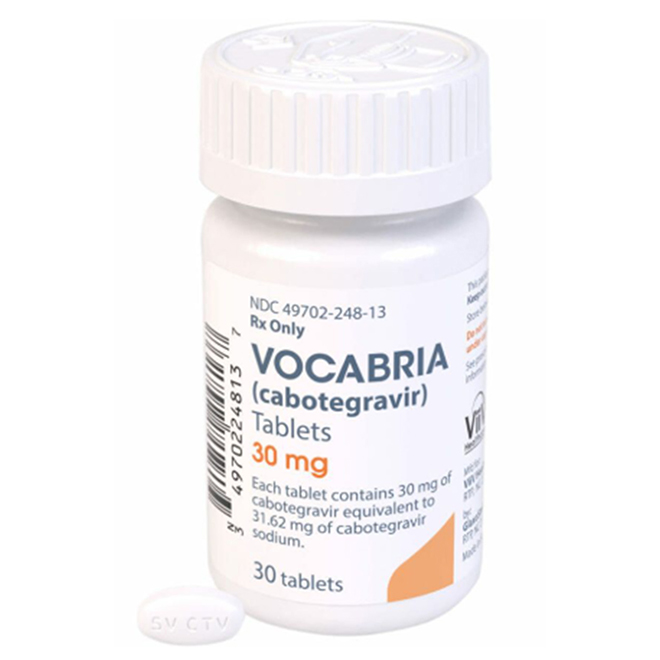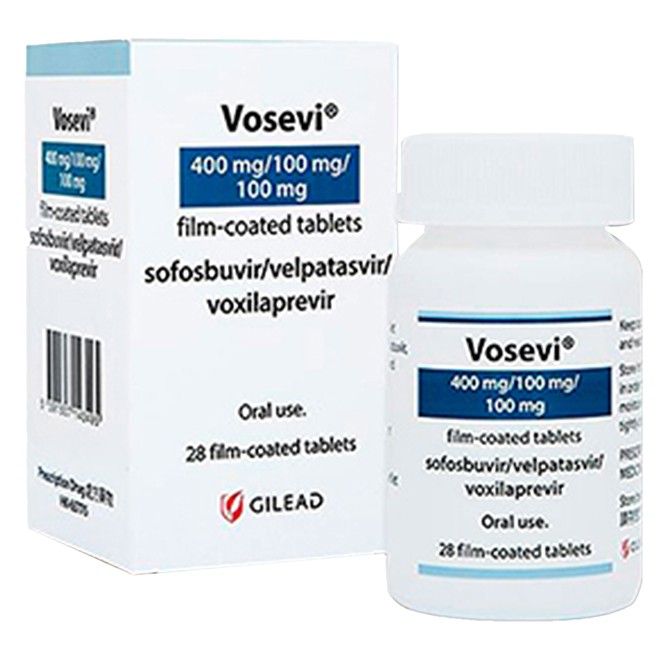


Biktarvy is a three-in-one fixed-dose combination formulation containing bictegravir (BIC), emtricitabine (FTC), and tenofovir alafenamide (TAF), indicated for the treatment of HIV-1 infection in adults and pediatric patients weighing ≥14 kg.
Dosage and Administration, Recommended Dosage of Biktarvy (Biktarvy)
Adults and Patients Weighing ≥25 kg
The recommended dosage is one tablet containing 50 mg of bictegravir, 200 mg of emtricitabine, and 25 mg of tenofovir alafenamide.
For virologically suppressed adult patients receiving chronic hemodialysis with an estimated creatinine clearance rate below 15 mL/min, the medication should be taken after each hemodialysis session.
Pediatric Patients (Weighing 14 kg to <25 kg)
The tablet containing 30 mg of bictegravir, 120 mg of emtricitabine, and 15 mg of tenofovir alafenamide must be selected.
If a child cannot swallow the entire tablet, the tablet can be split and taken within 10 minutes.
Dosage Adjustment of Biktarvy (Biktarvy)
Patients with Renal Insufficiency
Biktarvy can be used at the regular dosage in patients with an estimated creatinine clearance rate ≥30 mL/min or virologically suppressed adult patients receiving chronic hemodialysis, without the need for dosage adjustment.
However, its use is not recommended in the following cases: severe renal impairment (creatinine clearance rate of 15 to <30 mL/min).
End-stage renal disease not receiving chronic dialysis (creatinine clearance rate <15 mL/min).
Treatment-naive patients with end-stage renal disease.
Patients with Hepatic Insufficiency
No dosage adjustment is required for patients with mild to moderate hepatic impairment (Child-Pugh Class A or B).
Use is contraindicated in patients with severe hepatic impairment (Child-Pugh Class C).
Medication in Special Populations for Biktarvy (Biktarvy)
Pregnant Patients
It is only recommended for pregnant women who are virologically suppressed (HIV-1 RNA <50 copies/mL) and have no known resistance substitutions, with the 50 mg/200 mg/25 mg tablet being the recommended specification.
Attention should be paid to the decreased drug exposure during pregnancy, and close monitoring of viral load is necessary.
Geriatric Patients
Clinical data show that the efficacy of Biktarvy in geriatric patients aged 65 years and above is not significantly different from that in other adult populations.
However, the medication risks still need to be evaluated based on individual conditions.