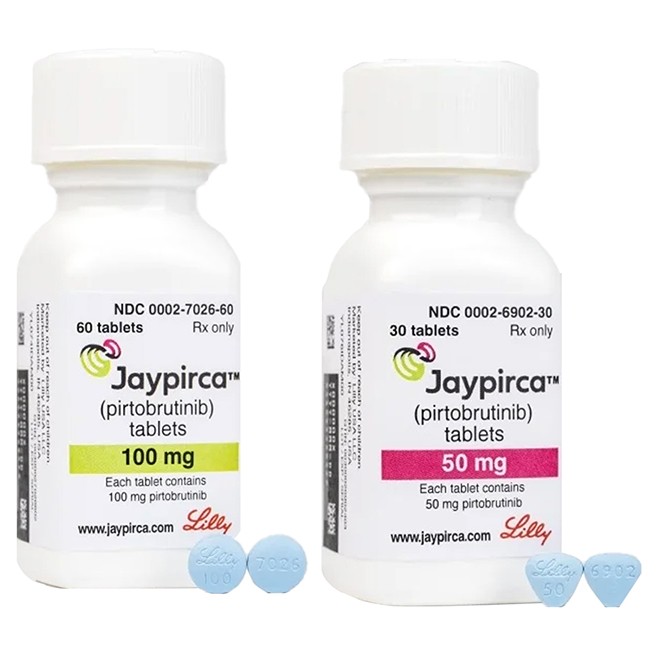


Pirtobrutinib is a kinase inhibitor. It is used to treat relapsed or refractory mantle cell lymphoma (MCL) in patients who have previously received at least two lines of systemic therapy (including a BTK inhibitor), as well as chronic lymphocytic leukemia or small lymphocytic lymphoma (CLL/SLL) in patients who have received at least two lines of therapy (including a BTK inhibitor and a BCL-2 inhibitor).
What Are the Precautions for Pirtobrutinib Administration?
Confirmation of Indication
Genetic testing is required to confirm that the patient has MCL or CLL/SLL, and that the patient has previously received BTK inhibitor treatment.
For CLL/SLL patients, it is also necessary to confirm that they have previously received BCL-2 inhibitor treatment.
Contraindications and Baseline Status Assessment
Liver function: Transaminase and bilirubin levels should be tested. Patients with abnormal baseline levels should use the drug with caution.
Renal function: Dose adjustment is required for patients with severe renal impairment.
Infection risk: Active infections should be screened for, with special attention to excluding patients with central nervous system lymphoma.
Standard Administration Guidelines
The recommended dose is 200 mg taken orally once daily, with or without food.
The tablets must be swallowed whole and should not be split, crushed, or chewed.
If a dose is missed for more than 12 hours, do not make up the missed dose; take the next dose as scheduled.
Adverse Reaction Management
For events such as grade ≥3 non-hematologic toxicity, neutropenia with fever or infection, and thrombocytopenia with bleeding:
At the first occurrence, suspend the drug until recovery, then resume at the original dose. For subsequent occurrences, gradually reduce the dose to 100 mg or 50 mg once daily. Permanent discontinuation is required at the fourth occurrence.
Drug Interactions
Concomitant use with strong CYP3A inhibitors should be avoided. If such use is necessary, reduce the dose by 50 mg.
Concomitant use with strong or moderate CYP3A inducers should be avoided. If co-administration with a moderate inducer is required, increase the current dose by 50 mg or adjust to 300 mg once daily.
Bleeding and Cardiovascular Events
The incidence of severe bleeding is 3%. Caution should be exercised for gastrointestinal bleeding and intracranial bleeding.
The incidence of atrial fibrillation or atrial flutter is 3.2%, of which 1.5% are grade ≥3 events. Patients with a history of cardiovascular disease are at higher risk.
Pirtobrutinib Administration Monitoring
Complete Blood Count Monitoring
Neutrophil, platelet, and hemoglobin levels should be tested regularly during treatment.
Data show that the incidence of neutropenia is 46%, of which 26% are grade ≥3.
The incidence of thrombocytopenia is 29%, of which 12% are grade ≥3.
If severe or persistent cytopenia occurs, dose adjustment or temporary drug suspension is required.
Hepatic and Renal Function Monitoring
Liver enzymes, bilirubin, and creatinine levels should be dynamically assessed at baseline and during treatment.
For patients with persistent elevation of transaminases or suspected drug-induced liver injury, the frequency of monitoring should be increased and the indications for discontinuation should be evaluated.