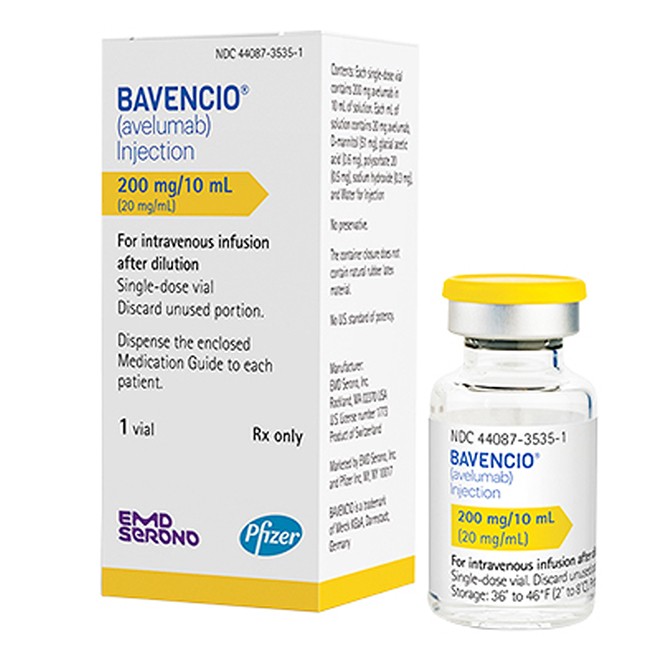


Avelumab (Bavencio) is a next-generation programmed death-ligand 1 (PD-L1) blocking antibody that plays a crucial role in the treatment of advanced tumors. Administered via intravenous infusion, strict adherence to precautions and standardized monitoring requirements is essential during use to ensure therapeutic efficacy and minimize the risk of adverse reactions.
What are the Precautions for Using Avelumab (Bavencio)?
Assessment of Patients' Baseline Conditions
A comprehensive understanding of the patient’s medical history is required before treatment, with special attention to the presence of autoimmune diseases, organ transplant history, and immunosuppressive therapy.
Special caution should be exercised when assessing the medication risk for patients with active central nervous system (CNS) metastases, other malignant tumors within 5 years, HIV infection, hepatitis B or C infection, etc.
Premedication Management Before Administration
Patients should receive premedication with antihistamines and acetaminophen before the first 4 infusions of avelumab treatment.
For subsequent doses, the need for premedication should be determined based on clinical judgment and the severity of previous infusion reactions.
Medication Monitoring for Avelumab (Bavencio)
Monitoring of Immune-Mediated Adverse Reactions
Avelumab may cause severe or fatal immune-mediated adverse reactions, which can occur in any organ system or tissue.
These include: immune-mediated pneumonitis, immune-mediated colitis, immune-mediated hepatitis, immune-mediated endocrine disorders, immune-mediated nephritis with renal dysfunction, and immune-mediated skin adverse reactions.
Regular Monitoring of Laboratory Indicators
During treatment, regular monitoring of liver function enzymes, creatinine, and thyroid function is required.
Baseline assessment and periodic re-evaluation of changes in these indicators are necessary throughout the treatment course.
Monitoring of Immune-Mediated Pneumonitis
The incidence of pneumonitis is approximately 1.1%, including fatal cases.
Closely monitor patients for new or worsening cough, chest pain, or shortness of breath.
Monitoring of Immune-Mediated Colitis
The incidence of colitis is approximately 1.5%, with diarrhea as the main symptom.
Cytomegalovirus (CMV) infection or reactivation has been reported in patients with corticosteroid-refractory immune-mediated colitis.
Monitoring of Infusion Reactions
Avelumab may cause severe or life-threatening infusion-related reactions.
Monitor patients for symptoms such as fever, chills, flushing, hypotension, dyspnea, wheezing, back pain, abdominal pain, and urticaria.