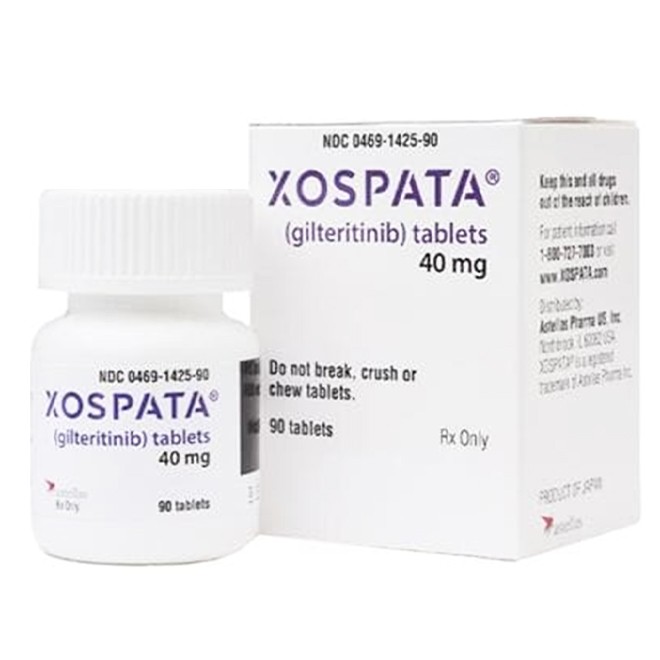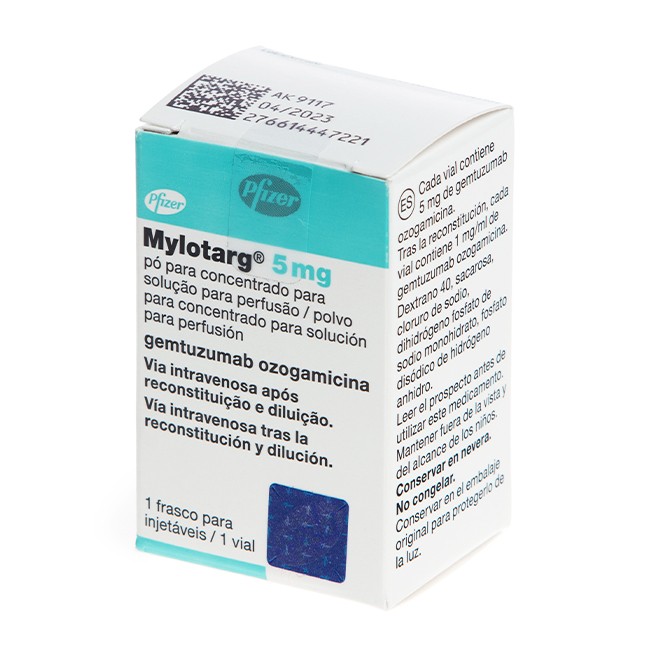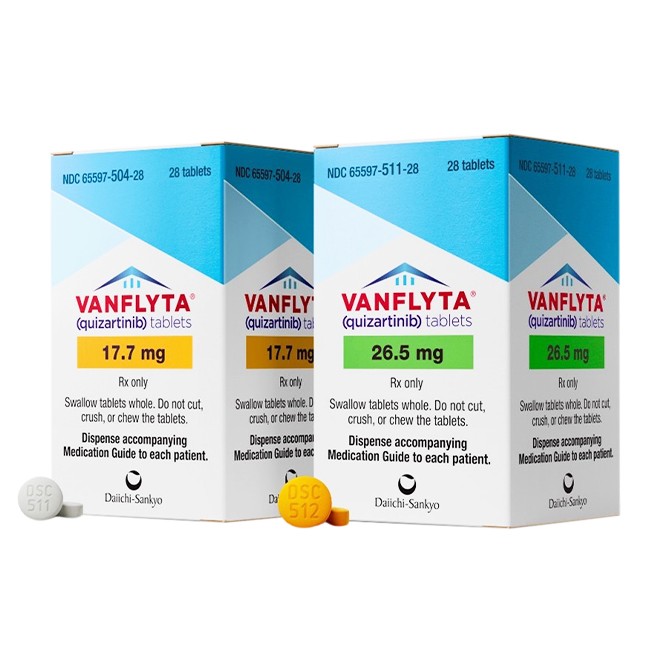


Gilteritinib (Xospata) is a FLT3 inhibitor. Its adverse reactions mainly involve the hematological system, cardiovascular system, digestive system, etc. Different management measures should be taken according to the severity.
I. Hematological System-Related Adverse Reactions
Anemia: Manifested as fatigue, pallor, etc. Hemoglobin levels should be monitored regularly.
Thrombocytopenia: May increase the risk of bleeding. Pay attention to symptoms such as ecchymosis and epistaxis.
Neutropenia: Prone to infection. Body temperature and signs of infection should be monitored.
II. Cardiovascular System Adverse Reactions
Prolonged QT interval: ECG monitoring should be performed before and during treatment, and electrolyte disturbances should be corrected.
Heart failure: Manifested as dyspnea, edema, etc. Immediate medical intervention is required.
III. Digestive System Adverse Reactions
Nausea and vomiting: Can be relieved by divided doses and administration after meals; antiemetic treatment is needed in severe cases.
Diarrhea: Pay attention to fluid replacement to prevent dehydration; antidiarrheal drugs should be used if necessary.
Elevated liver enzymes: Liver function should be monitored regularly. The drug should be discontinued if jaundice occurs.
IV. Other Common Adverse Reactions
Fatigue: It is recommended to arrange activities and rest reasonably.
Muscle pain: Mild analgesic treatment can be considered.
Rash: Antihistamines can be used for mild cases; dermatological consultation is required for severe cases.
V. Severe Reactions Requiring Immediate Medical Attention
Acute respiratory distress: Emergency treatment is needed for new or aggravated dyspnea.
Severe arrhythmia: Palpitations accompanied by syncope require ECG monitoring.
Pancreatitis: Severe abdominal pain with vomiting requires urgent evaluation.