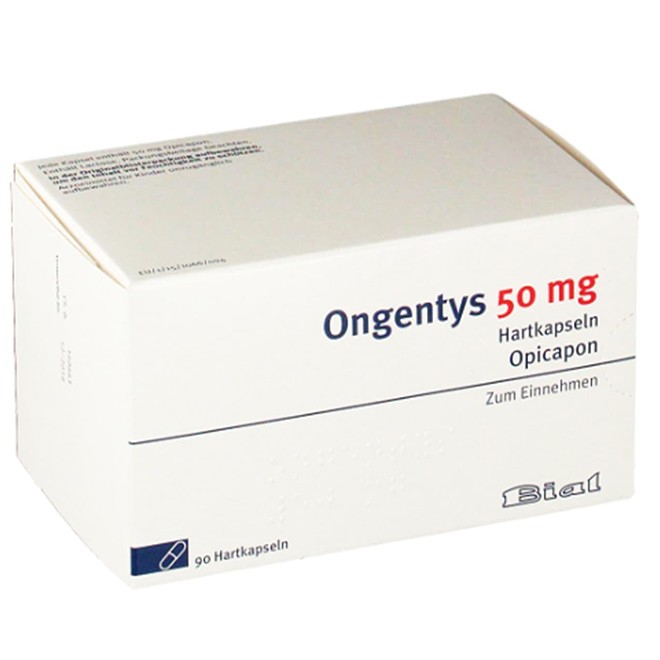


Opicapone (Ongentys) is a novel peripherally selective and reversible catechol-O-methyltransferase (COMT) inhibitor that has been approved by the U.S. Food and Drug Administration (FDA) as an adjunctive therapy for patients with Parkinson's disease. When used in combination with levodopa/carbidopa, this drug is specifically indicated for Parkinson's disease patients experiencing "off" periods.
What Are the Precautions for Using Opicapone (Ongentys)?
Confirmation of Contraindications
Concurrent use of non-selective monoamine oxidase inhibitors.
Patients with a history of pheochromocytoma, paraganglioma, or other catecholamine-secreting tumors.
Before initiating treatment, healthcare professionals must carefully review the patient’s medication history and medical history to ensure the absence of these contraindications.
Risk Assessment
Special attention should be paid to liver and kidney function status.
Dose adjustment is required for patients with moderate hepatic impairment, while use should be avoided in patients with severe hepatic impairment.
It is also necessary to assess whether the patient has a history of cardiovascular disease, mental illness, and risk factors for impulse control disorders.
Dosage Specifications and Selection
Opicapone is available in capsule formulations of two strengths: 25mg and 50mg.
The routine recommended dose is 50mg, administered orally once daily before bedtime.
For patients with moderate hepatic impairment, the recommended dose is adjusted to 25mg once daily.
Medication Use in Special Populations
Patients with hepatic impairment: Patients with moderate hepatic impairment need to have their dose adjusted to 25mg once daily, while those with severe hepatic impairment should avoid using this drug.
Patients with renal impairment: Opicapone should be avoided in patients with end-stage renal disease. Patients with mild to moderate renal impairment do not require dose adjustment but need close monitoring for adverse reactions.
Medication Monitoring for Opicapone (Ongentys)
Laboratory Monitoring System
Regular liver function monitoring: Baseline liver function tests and periodic re-examinations are required for all patients, especially those with hepatic impairment.
Renal function monitoring: Although dose adjustment is generally not needed for patients with renal impairment, renal function indicators should be monitored regularly, particularly in patients with severe renal impairment.
Monitoring of blood biochemical indicators: Regular checks of indicators such as creatine kinase and electrolytes are necessary, especially during the initial stage of treatment and dose adjustment periods.
Special Monitoring Requirements
Daytime somnolence monitoring: Patients should be informed about the potential occurrence of daytime somnolence, and extra caution should be exercised when engaging in activities requiring high concentration, such as driving or operating machinery.
Impulse control disorder assessment: Patients should be periodically asked about the emergence of symptoms such as intense gambling urges, increased sexual urges, compulsive spending, or binge-eating impulses.