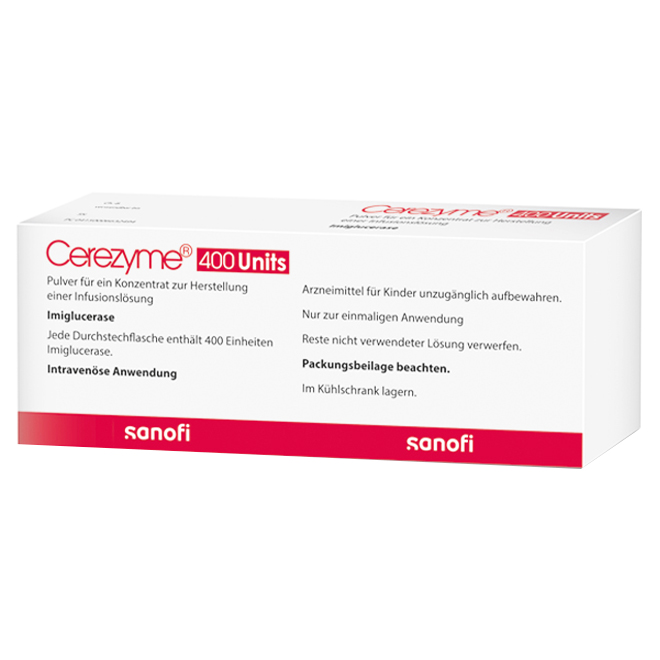


Eliglustat (Cerdelga) is a glucosylceramide synthase inhibitor. It is approved for the long-term treatment of adult patients with Type 1 Gaucher disease (GD1) who have been identified as CYP2D6 extensive metabolizers (EM), intermediate metabolizers (IM), or poor metabolizers (PM) using an FDA-approved testing method. This medication controls disease progression at the source by reducing the production of glucosylceramide.
Precautions for Eliglustat (Cerdelga) Administration
Genotyping Test Requirements
Patients' metabolic status must be determined using an FDA-approved CYP2D6 genotyping test method.
Patients who are ultra-rapid metabolizers cannot achieve effective blood drug concentrations, so the use of this medication is not recommended for them.
No specific dosage is recommended for patients whose metabolic status cannot be determined.
Contraindication Identification
Extensive Metabolizers: Concomitant use of strong or moderate CYP2D6 inhibitors with strong or moderate CYP3A inhibitors. Moderate or severe liver impairment. Mild liver impairment with concurrent use of strong or moderate CYP2D6 inhibitors.
Intermediate Metabolizers: Concomitant use of strong or moderate CYP2D6 inhibitors with strong or moderate CYP3A inhibitors. Use of strong CYP3A inhibitors. Liver impairment of any degree.
Poor Metabolizers: Use of strong CYP3A inhibitors. Liver impairment of any degree.
Standard Dosage Regimen
Extensive and Intermediate Metabolizers: 84 mg orally twice daily.
Poor Metabolizers: 84 mg orally once daily.
Dosage Adjustment in Special Cases
Management of Drug Interactions: For extensive and intermediate metabolizers using CYP2D6 or CYP3A inhibitors, the dosage should be adjusted to 84 mg orally once daily.
Hepatic and Renal Impairment: Dosage adjustment is required for patients with severe renal impairment. For patients with hepatic impairment, an individualized regimen should be developed based on their metabolic status and concurrent medication use.
Diet and Administration
Swallow the capsules whole; do not crush, dissolve, or open them.
Avoid consuming grapefruit or drinking grapefruit juice.
If a dose is missed by more than 12 hours, do not make up for the missed dose. Take the next dose as scheduled.
Warning for Severe Adverse Events
Infections: Monitor for signs of infections such as pneumonia, with an incidence rate of up to 24%.
Bleeding: The incidence of severe bleeding is 3%, and attention should be paid to gastrointestinal and intracranial bleeding.
Cardiovascular Events: The incidence of atrial fibrillation or atrial flutter is 3.2%, of which 1.5% are grade ≥3 events.
Medication Monitoring for Eliglustat (Cerdelga)
Frequency of Complete Blood Count Monitoring
Neutrophils (incidence of reduction: 46%, with grade ≥3 accounting for 26%).
Platelets (incidence of reduction: 29%, with grade ≥3 accounting for 12%).
Dynamic assessment of hepatic and renal function.
Baseline and periodic monitoring of liver enzymes, bilirubin, and creatinine levels during treatment.
Risk Assessment of Concomitant Medications
CYP2D6 inhibitors: May increase the blood concentration of eliglustat by 3.8-7.0 times.
CYP3A inhibitors: May increase the blood concentration by 2.8-4.4 times.
Strong CYP3A inducers: Concomitant use should be avoided, as they may reduce the blood concentration by 90-95%.